






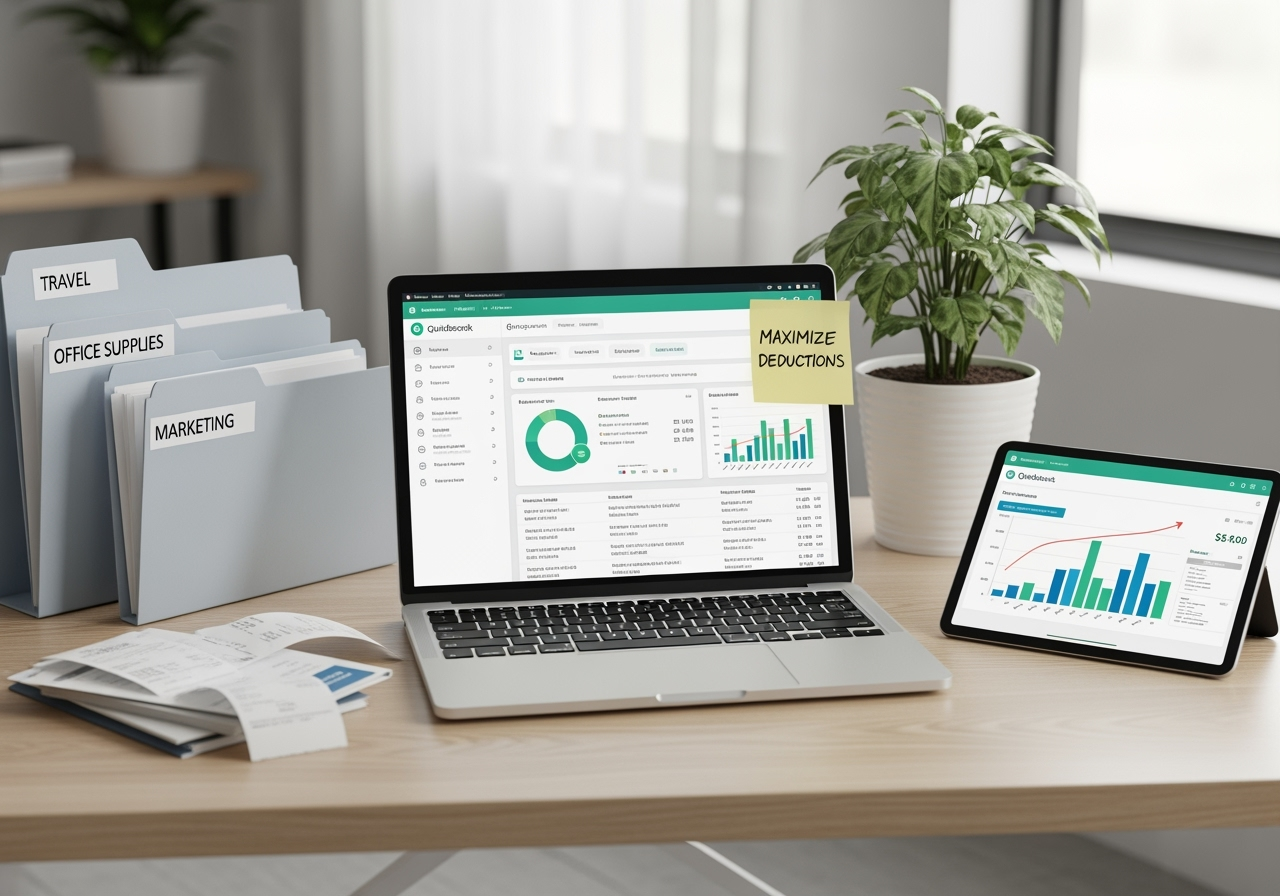

How to Correctly Classify Business Expenses & Avoid Common Mistakes
To correctly classify business expenses is foundational to solid bookkeeping and financial decision-making. Yet, many business owners and freelancers trip up in this area—leading to lost deductions, inaccurate reporting, and extra stress during tax season. Let’s change that!
In this guide, you’ll learn:
- What counts as a business expense (with real examples)
- Why classification matters so much
- Common and costly mistakes (and how to sidestep them)
- Pro tips for flawless, stress-free accounting
- Answers to the most frequent questions
- A printable, actionable checklist to keep you organized
What Counts as a Business Expense? (With Real-World Examples)
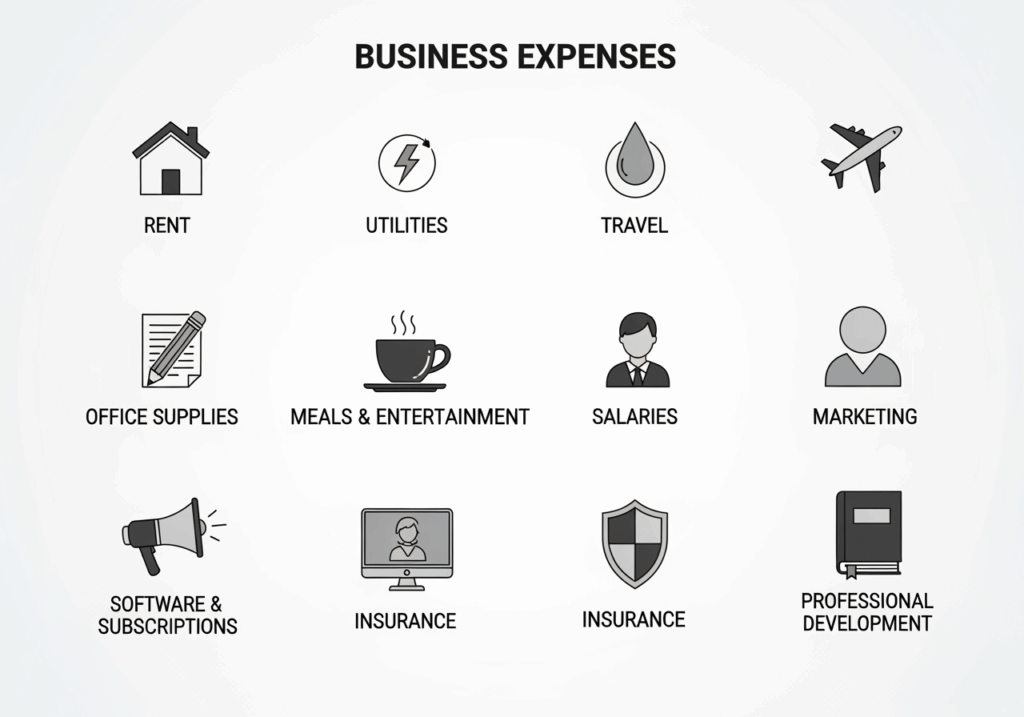
Business expenses are the ordinary and necessary costs of running your company. But what does that mean in practice?
Here are popular categories and real examples for each:
- Rent/Lease: Office space, retail location rental, co-working memberships
- Utilities: Electricity, water, gas, internet, phone for your office
- Office Supplies: Stationery, computers, software subscriptions, printers, postage
- Travel: Airfare, mileage, taxis/rideshares, hotels, meals on work trips
- Meals and Entertainment: Taking clients out for lunch, company event catering (subject to strict limits)
- Salaries and Wages: Staff pay, bonuses, payroll taxes
- Professional Services: Legal, accounting, consulting fees
- Insurance: Business liability, workers comp, property insurance
- Marketing and Advertising: Website fees, online ads, print materials
- Depreciation: Gradual cost deduction for major purchases like machinery or vehicles
Pro Tip: If you’re ever unsure if an expense qualifies, ask yourself—”Is this cost directly related to earning business income?” If the answer’s yes, it likely qualifies.
Why Correct Classification Matters
Classifying business expenses correctly doesn’t just make life easier for your accountant. Here’s why it truly matters:
- Maximize Tax Deductions: Many allowable business expenses directly reduce taxable income, meaning less money owed to the government (and more in your pocket).
- Financial Insights: Accurate expense tracking reveals which parts of your business are costing the most—and where you can cut back.
- Audit Readiness: Clean, careful records make audits quick and painless if you ever get selected.
- Credibility with Investors/Banks: Lenders or investors like to see well-organized, easy-to-explain financials.
Common Expense Classification Mistakes (With Solutions)
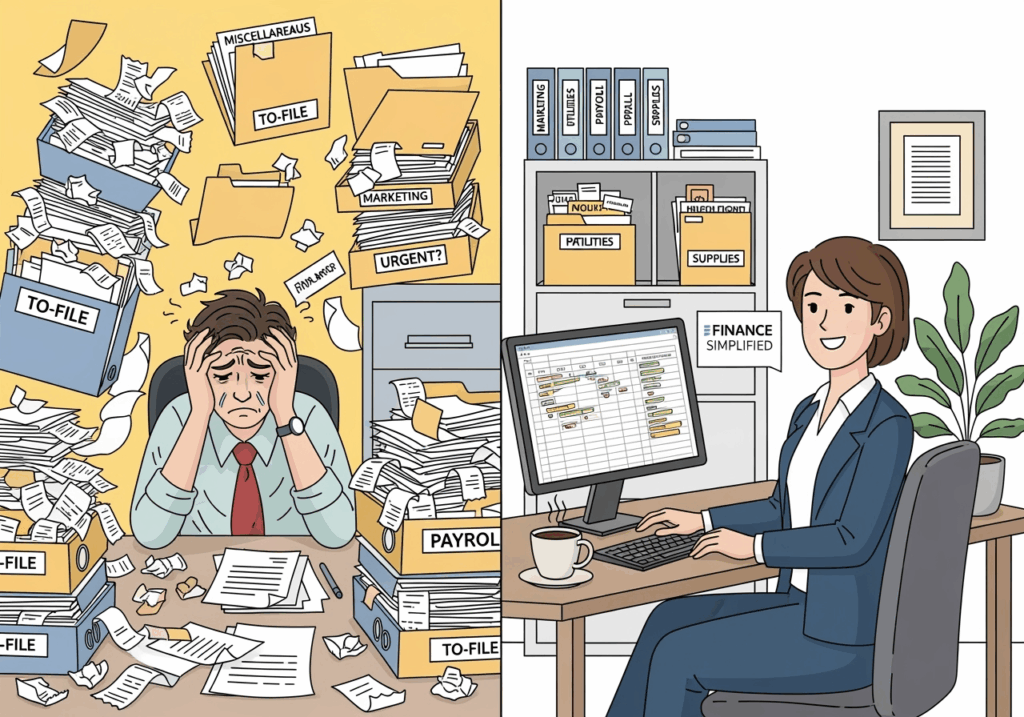
Let’s explore mistakes in detail, with real-world fixes:
1. Mixing Personal and Business Finances
- Example: You grab a coffee using your business card, but it’s not a work-related purchase.
- Fix: Set up separate bank accounts and credit cards. If you make a mistake, note the transaction as an owner draw or personal reimbursement.
2. Misclassifying Expenses
- Example: Coding a business lunch with a client as “Office Supplies,” or putting software under “Equipment.”
- Fix: Use accounting software with preset categories. Review transactions monthly for accuracy.
3. Missing Out on Small Deductions
- Example: Ignoring small subscriptions or petty cash expenses; assuming they’re “too minor.”
- Fix: Track every expense, even $2 ones. Digital tools make this frictionless; use expense scanning apps or file receipts in Google Drive.
4. Lost or Incomplete Documentation
- Example: Tossing receipts or not collecting itemized bills.
- Fix: Go digital—scan with your phone, save PDFs, or use receipt-management platforms like Expensify or Dext.
5. Over- or Underclaiming Deductions
- Example: Claiming the full cost of your personal mobile as a business expense, or not claiming your home office at all.
- Fix: Claim only the business-use portion. For mixed-use items (like utilities at home), use a percentage based on actual use.
6. Not Updating Categories as Business Grows
- Example: Sticking to overly simple categories (“other expenses,” “miscellaneous”) as your business expands.
- Fix: Update your chart of accounts yearly. Add new categories for better clarity as business evolves.
GET IN TOUCH
Schedule a Free Call
Pro Tips for Foolproof Expense Management
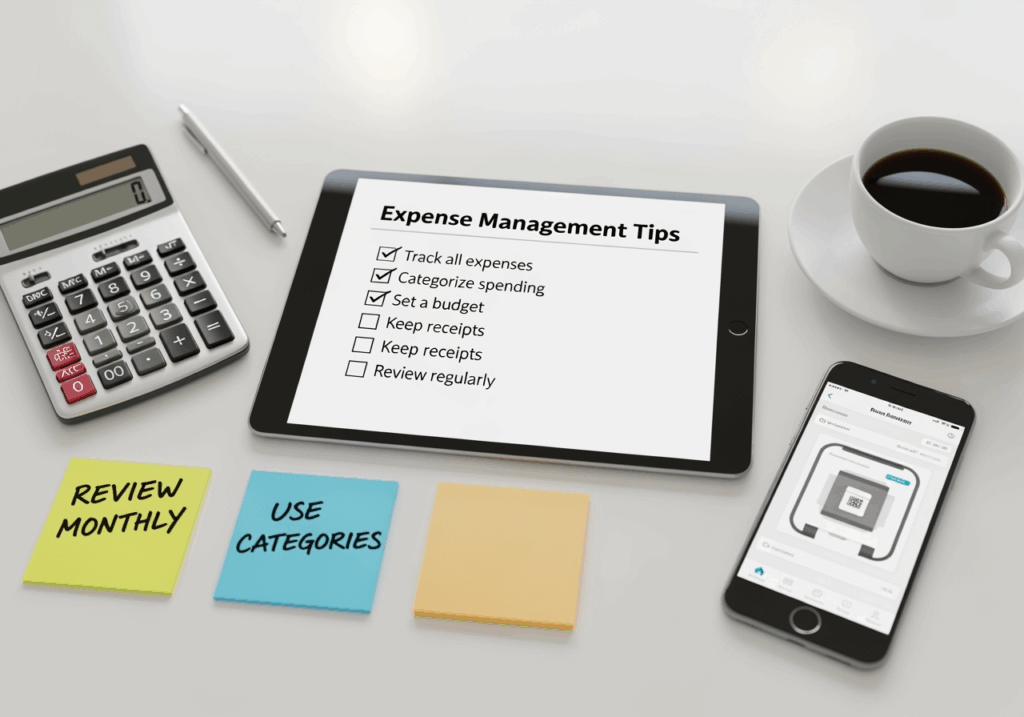
- Leverage Accounting Technology
- Use cloud-based software like QuickBooks, Xero, Zoho, or Wave, which auto-categorizes common expenses (and syncs with your bank!).
- Set up rules so recurring transactions (like your internet bill) are always coded to the right category.
- Be Consistent
- Define your categories clearly and always use them the same way.
- If you have a team, create a simple one-pager explaining what belongs where.
- Schedule a Monthly “Money Date”
- Take 30 minutes at the end of each month to review your transactions, match receipts, and fix any uncategorized expenses.
- Educate the Whole Team
- Train employees on proper receipt submission and expense types.
- Use an approval system for purchases, so random expenses don’t slip through.
- Document Your Expense Policy
- Put your rules in writing! This helps if you ever hire a bookkeeper or get audited.
- Ask for Professional Help
- An accountant or bookkeeper can review your setup, optimize your categories, and ensure you’re maximizing deductions.
FAQs: Business Expense Classification
Classify Business Expenses
Q: Can I deduct all meals with clients?
A: Not always. Many tax authorities cap meal deductions at 50%, and receipts/documentation are required. Casual or non-business meals don’t qualify.
Q: What if I work from a home office—how do I classify those expenses?
A: Calculate the percentage of your home used for business (by area or time) and claim that portion of rent, utilities, and insurance as a business expense.
Q: Is my car a business expense if I also use it personally?
A: Only claim the percentage of car expenses related to business miles. Use a mileage log or mileage-tracking app.
Q: What if I make a mistake?
A: Adjust the transaction and document the change. Most software allows easy recategorization.
Actionable Checklist for Smarter Expense Classification
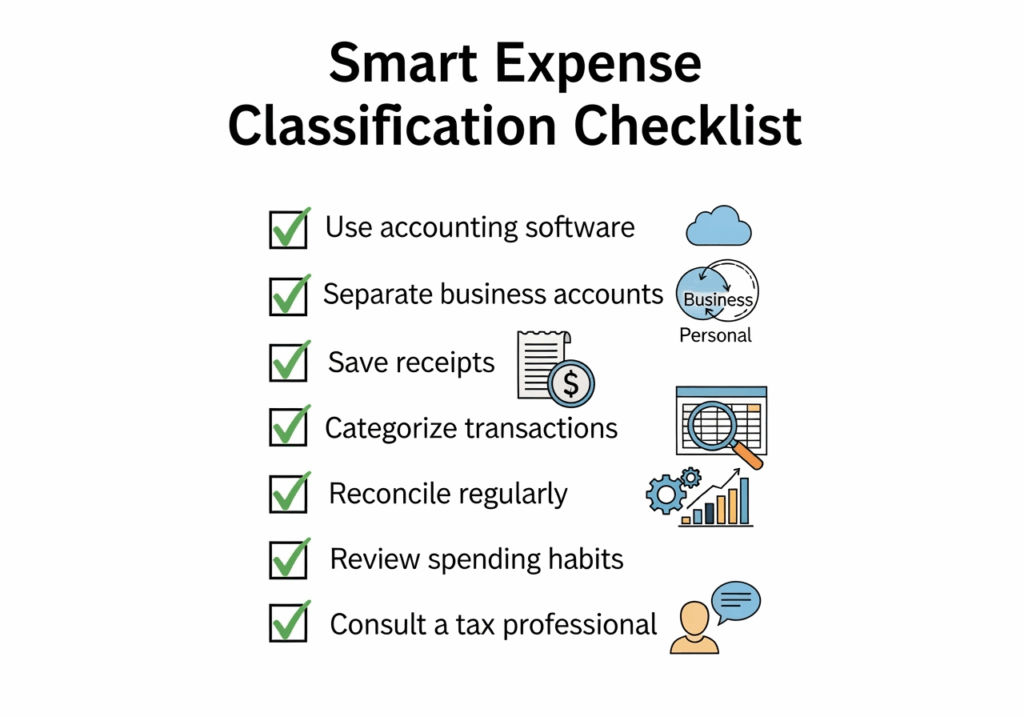
Feel free to print or bookmark this!
Setup
✅ Open designated business bank accounts
✅ Choose accounting or expense tracking software
✅ Create a clear chart of accounts (categories)
Ongoing Process
✅ Always use the business account for business purchases
✅ Save digital or physical receipts for all transactions
✅ Enter all expenses into your accounting system
✅ Review uncategorized/“miscellaneous” expenses each month
✅ Match bank and credit card transactions to entries
✅ Update categories as business grows
At Year-End
✅ Reconcile all accounts
✅ Check for missed deductions
✅ Provide clear records to your accountant
✅ Adjust categories for the new year’s goals
Final Thoughts
Getting business expense classification right isn’t just about tax season—it’s about taking charge of your business finances and making smarter decisions year-round. The more consistent (and organized) you are, the less likely you are to miss deductions, make costly errors, or panic during audits.
By using technology, documenting your process, and reviewing transactions regularly, you’ll build a system that works for you—not against you.
Need help setting up or reviewing your expense categories? Drop your questions in the comments or connect with our bookkeeping pros for a no-obligation consultation. Your future self—and your bottom line—will thank you!
GET IN TOUCH
Schedule a Free Call









Connect With Us!
classify business expenses classify business expenses classify business expenses classify business expenses classify business expenses classify business expenses classify business expenses classify business expenses classify business expenses classify business expenses classify business expenses classify business expenses classify business expenses classify business expenses classify business expenses classify business expenses classify business expenses classify business expenses
