


📩 Get A Quote : hello@veritasaccountingservices.com
Real Estate Accounting

Real Estate Accounting Made Simple: Conquer Cross-Border Growth with Veritas

The Global Property Landscape

Interconnected global real estate markets shown through city skylines over a digital world map.

Real Estate Accounting, The international real estate market has evolved significantly in 2025, presenting both lucrative opportunities and operational challenges. Investors are no longer confined by borders, with properties in the UK, UAE, US, Singapore, and other dynamic markets becoming part of diverse global portfolios. But while the potential for returns is greater, so too are the complexities—currency volatility, tax compliance, and operational inefficiencies can quickly erode profits. This is precisely where Veritas Accounting steps in as a trusted guide, helping investors successfully navigate this intricate terrain with expert knowledge and tailored financial solutions.

Managing Properties Across Multiple Currencies

Accounting workspace with multi-currency dashboards and international banking data for property investments.

One of the foremost challenges of global property ownership is dealing with multiple currencies. With frequent exchange rate fluctuations and differences in local banking systems, investors can easily lose track of profitability. Moreover, unhedged currency exposure can severely impact returns. Veritas Accounting brings clarity and control to multi-currency accounting by implementing systems that provide real-time visibility into currency positions, automating exchange rate conversions, and integrating cross-border payment solutions into your financial workflows. These tools not only help in protecting income from unfavorable fluctuations but also in ensuring every transaction is accounted for accurately and efficiently.

Staying Ahead of International Tax Obligations

Tax consultant managing cross-border tax compliance with global property investment documents.

Tax compliance is perhaps the most daunting aspect of cross-border property investments. Each jurisdiction has its own property tax rules, income tax rates, and VAT structures—often subject to sudden changes or highly specific regulations. Missteps can lead to penalties, audits, or reputational harm. Veritas acts as a cross-border compliance partner, offering localised tax knowledge and ensuring that your global property income, expenses, and obligations are correctly reported. We assess international tax treaties for their relevance and advantages, support with transfer pricing compliance for multinational structures, and help align your tax strategy across all operating regions. By staying updated with country-specific laws and regulations, Veritas helps investors remain fully compliant while identifying legal opportunities for tax optimisation.

Embracing Technology in International Property Accounting
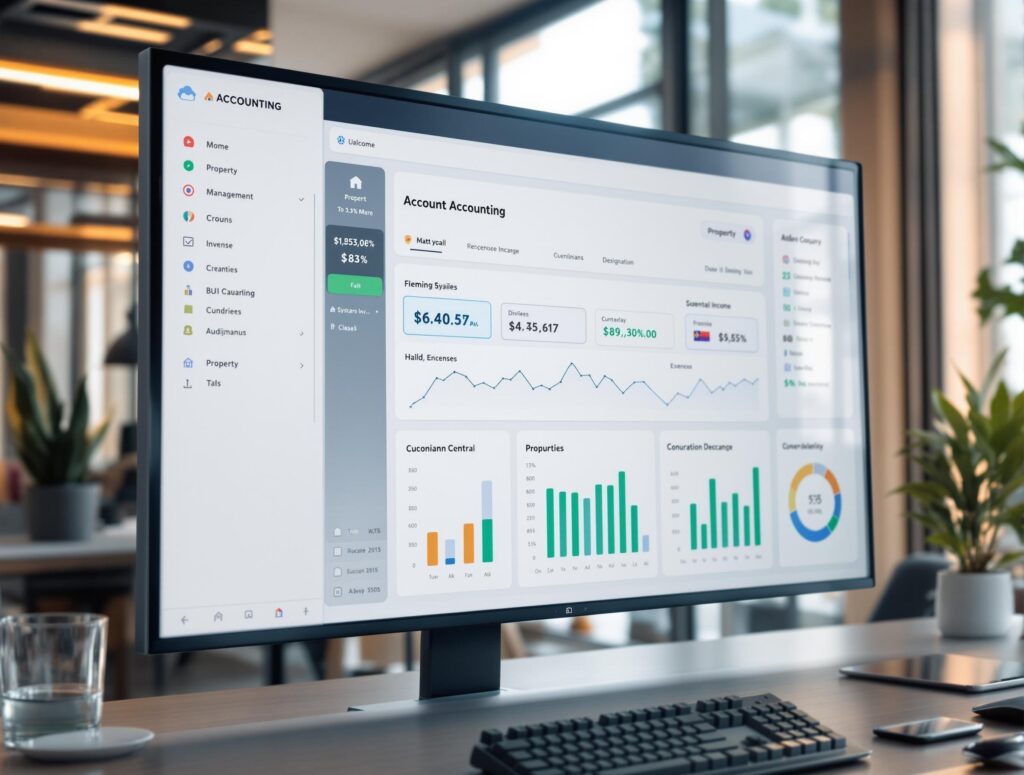
Cloud accounting software tracking international property performance in real time.

The digital transformation of accounting has made it easier to manage international portfolios—if approached with the right tools. Many investors struggle with disconnected systems, manual entries, or lack of oversight when it comes to their overseas assets. Veritas helps bridge this gap by designing an integrated technology environment tailored to international property management. We leverage cloud-based solutions like QuickBooks Online and Xero, automate data consolidation across currencies and regions, and implement dashboards for real-time financial reporting. These systems are not just about convenience—they provide the visibility and accuracy necessary for data-driven decision-making, while streamlining operations and minimising human error.

Building a Strong Foundation for Global Property Management

Financial management system with organised reports and standardised global property accounting tools

A successful international property portfolio is grounded in solid accounting processes and disciplined financial management. Standardising these processes across entities can be challenging, but it’s essential for clear reporting and efficient consolidation. Veritas helps create this foundation by designing unified charts of accounts, establishing consistent financial reporting templates, and ensuring timely reconciliation procedures across markets. This level of consistency enables better bench marking, improved visibility, and faster decision-making.

Beyond operations, risk management also plays a central role. Currency hedging strategies, global insurance coordination, regular compliance audits, and exposure analysis are crucial in reducing volatility and safeguarding investments. With Veritas, clients gain access to systems and insights that not only flag potential risks but actively mitigate them before they impact financial performance.

Strategic Oversight Through Virtual CFO Services

Entrepreneur in virtual meeting with CFO reviewing international property strategy and cash flow forecasts.

As property portfolios expand internationally, the need for high-level financial strategy becomes more urgent. However, hiring a full-time CFO for every region is neither practical nor cost-effective. That’s why Veritas offers Virtual CFO services—a flexible and powerful solution for global investors seeking experienced financial leadership. Our virtual CFOs assist with long-term financial planning, performance benchmarking, and investment evaluation. They help forecast cash flow requirements, identify underperforming assets, and align financial operations with strategic growth goals. This allows investors to focus on expansion and acquisition, knowing their financial road map is in expert hands.

Preparing for the Future of International Property Accounting

Digital transformation tools like AI and automation used in global property accounting systems.

The landscape of real estate accounting is evolving with the rise of automation, AI, blockchain, and integrated data systems. These innovations are redefining how global portfolios are managed, reported, and optimised. Veritas stays at the forefront of these changes, guiding clients through emerging trends and helping them integrate future-ready solutions. Whether it’s automating repetitive accounting tasks, utilizing AI for rental yield analysis, or exploring blockchain-based lease contracts, we ensure our clients are prepared for what’s next—not just what’s now.

Implementing a Scalable Financial Framework
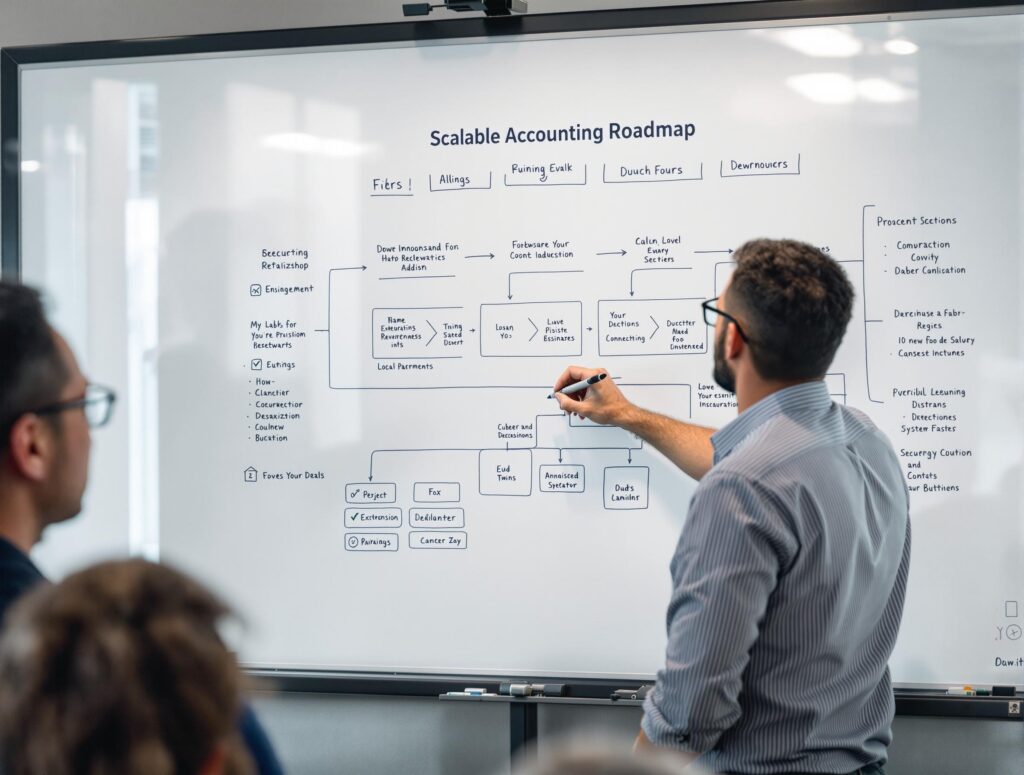
Investor reviewing scalable financial system strategy for growing international real estate portfolio.

Implementing an effective international accounting system starts with understanding where you are today. Veritas begins every engagement with a detailed assessment of your current processes, identifying gaps in compliance, technology, and reporting. We then work closely with you to design a tailored accounting strategy, complete with a roadmap for implementation, timelines, and training. But we don’t stop there. Our team remains an active partner in your success, offering ongoing system improvements, monitoring compliance, and adapting strategies as your portfolio grows and evolves. This dynamic support model ensures that your operations remain efficient, future-proof, and aligned with your broader investment goals.

Turning Financial Accuracy into Investment Success

Real estate team reviewing improved profit margins from accurate global accounting systems.

Strong accounting doesn’t just keep the books in order—it directly impacts profitability. Investors working with Veritas consistently benefit from lower compliance costs, enhanced tax positioning, and clearer visibility into their global cash flow. This, in turn, enables smarter acquisition decisions, timely reinvestment, and better capital allocation across markets. By turning financial clarity into a competitive advantage, Veritas helps its clients achieve stronger, more sustainable returns.

Why Veritas Is the Right Partner for International Investors

With over a decade of experience working with clients in the US, UK, UAE, Singapore, and other major markets, Veritas has become a trusted partner for cross-border real estate investors. Our team brings expertise in real estate accounting, global compliance, and financial strategy—supported by certifications in leading platforms like QuickBooks and Xero. Whether you’re managing one overseas property or a multi-country portfolio, Veritas provides the insights, systems, and strategic support needed to thrive in a complex and competitive global environment.

Let Veritas Guide Your Next Move

If you’re expanding your property investments internationally or struggling to manage your existing global portfolio, now is the time to take control of your financial operations. Veritas Accounting is here to help guide the way. With customised accounting solutions, compliance expertise, and strategic financial leadership, we help you minimise risk, maximise returns, and grow with confidence.

Contact Us

📍 US Office: 8735 Dunwoody Place – 4549, Atlanta, GA
📧 Email: hello@veritasaccountingservices.com
📞 Phone: +1 (678) 723-6003 (US) | +91 9725552243 (India)


Missed Something on Your Tax Return? 6 Smart Ways to Fix It Legally

An amended tax return is the correct way to fix mistakes after filing your taxes. If you realize…

The Ultimate 9-Step Guide for Non-US Founders to Start & Run a US Company Legally

Starting a U.S. business as a foreign founder is no longer complex—but it is structured. With the…

3 Costly Tax Residency Mistakes That Can Destroy a Client’s Return

Before a tax professional chooses the correct tax form, determines taxable income, or identifies…

Big Change for 2026: When Catch-Up Contributions Must Go Roth

A major retirement planning shift is coming. Beginning in 2026, Roth catch-up contributions 2026…

Big Donation, Bigger Mistake: Why the Tax Court Rejected a $188,563 Charitable Deduction

A large charitable donation may reflect generosity, goodwill, and community spirit. But as one…

Waiting for Your EITC or ACTC Refund? 3 Critical IRS Dates to Know in 2026

Each tax season, questions about refund timing surge—especially from taxpayers who rely on…

Surprised by a Lump-Sum Social Security Check? Here’s How the Tax Rules Really Work

Receiving a lump-sum Social Security payment often brings relief, especially after months or years…

Connect with us here!

Financial Health

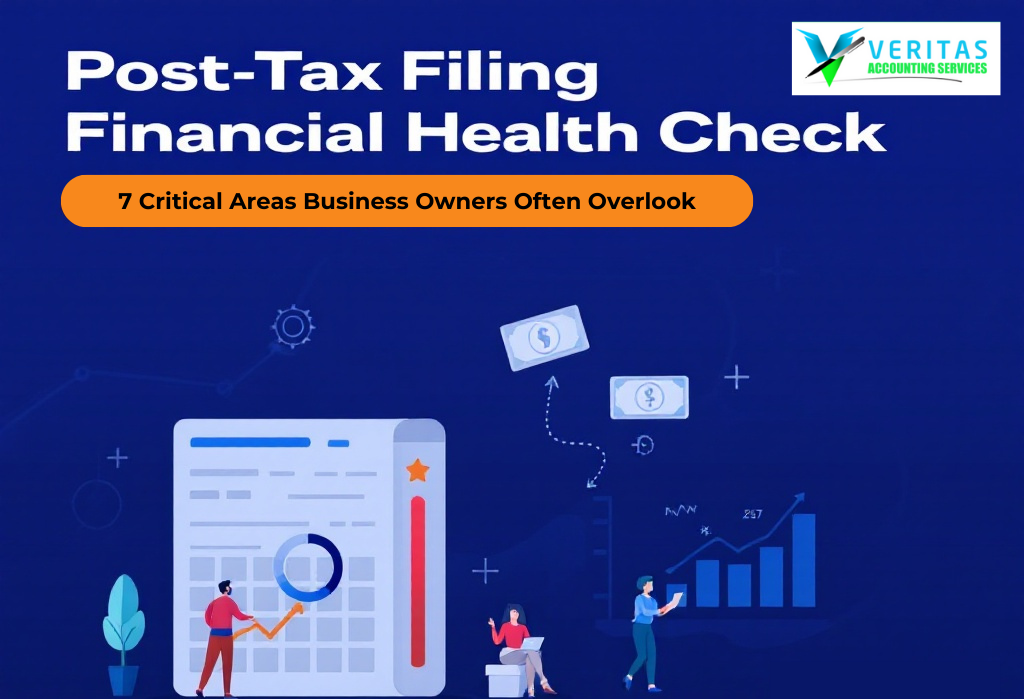
Unlock Financial Prosperity: 7 Key Post-Tax Areas That Can Transform Your Financial Health

As the dust settles on another tax season, smart business owners know that this is the perfect time to leverage their tax filing insights and financial health for strategic growth. At Veritas Accounting Services, with over a decade of experience serving clients across six countries and completing over 1,000 projects, we’ve observed that the post-tax period offers unique opportunities for financial optimization that many businesses overlook.

While tax filing is an essential yearly responsibility, it is not the end of the road. In fact, it is the beginning of a critical phase in your financial journey. Post-tax season is the ideal time to take a comprehensive look at your business’s finances, optimize operations, and prepare for the future. By using tax filing insights as a springboard for growth, you can drive your business toward more sustainable, long-term success.

The Tax Season Reality Check

While meeting tax obligations is crucial, it is merely a snapshot of your business’s financial health. The real value lies in using this annual checkpoint as a springboard for comprehensive financial planning. Certified experts, well-versed in leading accounting software like QuickBooks, Xero, Wave, and Zoho Books, have identified seven critical areas that demand immediate attention after tax filing.

1. Cash Flow Management: Beyond Basic Bookkeeping

For many businesses, managing cash flow is more than just about ensuring there is enough money in the bank to cover expenses. Post-tax season often reveals cash flow patterns that were not immediately apparent during day-to-day operations. This is where effective cash flow management can significantly impact your bottom line.

Our virtual CFO services have helped numerous clients across the Globe identify:

  • Seasonal fluctuations affecting working capital
  • Hidden cash flow bottlenecks
  • Opportunities for improving collection cycles
  • International payment optimization strategies

The key is not just tracking cash flow but understanding the stories behind the numbers. With real-time monitoring through integrated accounting software, businesses can make proactive decisions rather than reactive adjustments. Understanding your cash flow allows you to forecast future expenses, manage unexpected changes, and position your company for more predictable growth.

2. Financial Ratios: Your Business’s Vital Signs

Just as a doctor checks your vital signs, your business needs regular ratio analysis to ensure optimal health. Financial ratios provide a clear picture of your company’s overall financial health, liquidity, profitability, and operational efficiency.

Financial Health

Critical ratios to monitor include:

  • Liquidity ratios for short-term solvency (e.g., current ratio, quick ratio)
  • Efficiency ratios for resource utilization (e.g., asset turnover, inventory turnover)
  • Profitability ratios for business performance (e.g., return on assets, return on equity)
  • Leverage ratios for long-term stability (e.g., debt-to-equity ratio)

Regular ratio analysis helps businesses benchmark against industry standards, measure progress, and identify areas for improvement. Working with an experienced team of professionals can ensure your financial ratios align with your growth goals and industry best practices.

3. Compliance Calendar: Staying Ahead of Deadlines

Tax season might be over, but compliance is a year-round responsibility. As tax laws, fiscal year deadlines, and regulatory requirements change, businesses need to stay ahead of the curve to avoid penalties and ensure smooth operations.

For businesses operating across multiple countries, keeping track of different fiscal year deadlines, international regulations, and proper documentation can become overwhelming. However, staying compliant is non-negotiable.

Key actions include:

  • Tracking varying fiscal year deadlines
  • Monitoring changing international regulations
  • Maintaining proper documentation
  • Planning for upcoming financial obligations

Our global experience ensures clients never miss crucial deadlines across different jurisdictions. A well-managed compliance calendar allows businesses to stay organized and minimize the risk of late fees, fines, or legal issues.

4. Growth Planning: Turning Insights into Action

Financial ratios analysis

Post-tax analysis often reveals growth opportunities that might have been overlooked during regular operations. Whether it is identifying new markets or scaling operations, this is the time to reassess your business strategies and explore avenues for expansion.

Key considerations for growth planning include:

  • Market expansion possibilities (domestic and international)
  • Investments in technology or infrastructure to enhance productivity
  • Hiring needs and timing
  • International market entry strategies

Our virtual CFO services provide the strategic insight needed to turn these opportunities into actionable plans. Growth planning not only includes assessing current opportunities but also preparing your business to scale and take advantage of market trends.

GET IN TOUCH

Schedule a Free Consultation

5. Technology Integration: Maximizing Efficiency

In today’s fast-paced digital landscape, businesses must embrace technology to stay competitive. Leveraging the latest accounting software and business management tools can drive significant improvements in efficiency, accuracy, and decision-making.

At Veritas, our expertise with leading accounting software enables businesses to:

  • Automate routine transactions
  • Generate real-time reports for better decision-making
  • Integrate multiple financial platforms to streamline workflows
  • Access financial data securely from anywhere
Technology integration in accounting

This technological integration is particularly crucial for businesses operating across different time zones and currencies. With automation, businesses can reduce manual errors, increase productivity, and make data-driven decisions in real-time.

6. Risk Management: Protecting Your Future

The post-tax period is ideal for reviewing and updating risk management strategies. In today’s interconnected global economy, businesses face a variety of risks that can threaten profitability and growth. It is critical to proactively address potential risks before they evolve into major issues.

Key areas for risk management include:

  • Currency fluctuation risks for international transactions
  • Compliance risks across jurisdictions
  • Operational risks (e.g., supply chain disruptions, cybersecurity threats)
  • Market-specific challenges (e.g., competition, customer demand shifts)

Our international experience helps businesses anticipate and mitigate risks before they become problems. With a solid risk management plan, businesses can weather economic downturns, regulatory changes, and unexpected crises with resilience.

7. Profit Optimization: Beyond Cost Cutting

While cost reduction is important, sustainable growth requires a balanced approach to profit optimization. Focusing on increasing revenue and improving operational efficiency can provide higher long-term returns than simply cutting costs.

Key areas to focus on for profit optimization include:

  • Revenue diversification opportunities to expand income streams
  • Pricing strategy reviews to ensure your prices reflect market demand
  • Operational efficiency improvements to reduce waste and improve margins
  • Strategic investment planning to support long-term growth initiatives

At Veritas, we help businesses identify opportunities for profit growth that go beyond cost-cutting. With the right strategy, your business can boost profitability and create a more resilient financial structure.

Taking Action: Your Next Steps

The key to maximizing these insights lies in taking prompt action. Here is how to get started:

  1. Schedule a Comprehensive Review: Begin with a thorough analysis of your tax filing and financial statements. Our team at Veritas can help identify key areas for improvement.
  2. Develop an Action Plan: Create a prioritized list of improvements based on your review. Focus on quick wins while building toward long-term goals.
  3. Implement Regular Monitoring: Set up systematic reviews using integrated accounting software to track progress and identify new opportunities.
  4. Seek Expert Guidance: With offices in Rajkot and Atlanta, our team provides global expertise with local understanding. Whether you need bookkeeping, virtual CFO services, or strategic financial planning, we’re here to help.

Conclusion

The post-tax period presents a unique opportunity to transform your financial management approach. By focusing on these seven critical areas, businesses can build a stronger foundation for growth and success. At Veritas Accounting Services, we combine our decade of experience, global reach, and technical expertise to help businesses thrive in an increasingly complex financial landscape.

Don’t wait for the next tax season to review your financial health. Contact us today at hello@veritasaccountingservices.com or call +1(678) 723-6003

Schedule your comprehensive financial health check. With our QuickBooks and Xero certified experts, we will help you turn tax season insights into year-round business success.

GET IN TOUCH

Schedule a Free Consultation

Missed Something on Your Tax Return? 6 Smart Ways to Fix It Legally

An amended tax return is the correct way to fix mistakes after filing your taxes. If you realize…

The Ultimate 9-Step Guide for Non-US Founders to Start & Run a US Company Legally

Starting a U.S. business as a foreign founder is no longer complex—but it is structured. With the…

3 Costly Tax Residency Mistakes That Can Destroy a Client’s Return

Before a tax professional chooses the correct tax form, determines taxable income, or identifies…

Big Change for 2026: When Catch-Up Contributions Must Go Roth

A major retirement planning shift is coming. Beginning in 2026, Roth catch-up contributions 2026…

Big Donation, Bigger Mistake: Why the Tax Court Rejected a $188,563 Charitable Deduction

A large charitable donation may reflect generosity, goodwill, and community spirit. But as one…

Waiting for Your EITC or ACTC Refund? 3 Critical IRS Dates to Know in 2026

Each tax season, questions about refund timing surge—especially from taxpayers who rely on…

Surprised by a Lump-Sum Social Security Check? Here’s How the Tax Rules Really Work

Receiving a lump-sum Social Security payment often brings relief, especially after months or years…

Connect Here!

Veritas Accounting Services

The Future Of Accounting: Powerful Trends to Watch In 2025

The accounting landscape is evolving rapidly. Driven by technology, regulatory changes, and shifting client expectations, accountants and financial professionals must stay ahead of emerging trends to remain competitive.

As we have entered 2025, several key developments will shape the future of accounting, impacting small businesses, CPA firms, and accounting service providers worldwide. Whether you’re a business owner looking to streamline your financial management or an accounting firm aiming to enhance efficiency, these trends will define the industry’s direction.

Future of Accounting

1. AI and Automation: Reshaping Accounting Workflows

AI and Automation

Artificial Intelligence (AI) and automation are transforming accounting by handling repetitive and time-consuming tasks with precision. From bookkeeping to tax preparation, AI-powered software can process vast amounts of data, minimizing human error and increasing efficiency.

Key Impacts

  • AI-driven accounting tools can categorize transactions, reconcile bank statements, and flag anomalies in real time.
  • Chatbots and AI assistants will provide instant responses to common financial queries.
  • Automated invoicing and expense tracking will reduce manual entry and enhance accuracy.

What It Means for Businesses & Firms

Adopting AI-powered tools will free up accountants to focus on high-value tasks like financial advising, forecasting, and strategic planning. CPA firms that leverage automation will gain a competitive edge by offering faster, more efficient services.

2. Cloud Accounting Becomes the Standard

Cloud Accounting

Cloud-based accounting solutions are no longer optional—they’re essential. Platforms like QuickBooks Online, Xero, and FreshBooks enable real-time collaboration, remote access, and seamless data sharing between accountants and clients.

Why It Matters

  • Businesses can access their financial data from anywhere, ensuring greater flexibility.
  • Automatic software updates eliminate the need for costly installations and maintenance.
  • Cloud-based platforms improve data security with encrypted backups and multi-factor authentication.

How to Adapt

If your business or firm hasn’t transitioned to cloud accounting yet, 2025 is the year to do it. Clients expect real-time access to financial data, and cloud solutions make it easier to collaborate across locations.

3. Blockchain and Digital Ledger Technology (DLT) in accounting

Blockchain

Blockchain, once associated primarily with cryptocurrency, is making waves in accounting. This decentralized ledger system offers unparalleled security, transparency, and efficiency in financial transactions.

Benefits of Blockchain in Accounting

  • Fraud Prevention: Transactions recorded on a blockchain are immutable, reducing the risk of manipulation.
  • Smart Contracts: Automated agreements ensure compliance and faster processing of transactions.
  • Audit Efficiency: Auditors can verify transactions instantly, reducing the time spent on compliance checks.

Who Should Pay Attention

Accounting firms handling large-scale transactions or audits should explore blockchain’s potential for secure record-keeping. Businesses looking to streamline contracts, payments, and compliance may also benefit.

4. Real-Time Data Analytics for Smarter Decision-Making

Real-Time Data Analytics

Traditional accounting often relied on past data, but real-time analytics are changing the game. Businesses now demand instant insights to make proactive financial decisions.

Trends to Watch

  • Predictive analytics will forecast cash flow trends, helping businesses avoid financial pitfalls.
  • Custom dashboards will provide at-a-glance financial performance metrics.
  • AI-powered insights will help firms tailor financial strategies for clients

How Businesses Can Benefit

Small businesses can use real-time analytics to adjust pricing, optimize expenses, and plan investments with greater accuracy. Accounting firms offering data-driven insights will attract more clients.

5.The Globalization of Accounting Services

Globalization of Accounting Services

With businesses expanding across borders, the demand for international accounting services is growing. Firms must navigate complex tax regulations, currency exchange challenges, and cross-border compliance requirements.

Global Trends in Accounting

  • More businesses are outsourcing accounting tasks to firms specializing in international finance.
  • Cloud platforms enable firms to serve clients worldwide without geographical constraints.
  • AI-driven tools simplify multi-currency transactions and tax calculations.

How Firms Can Stay Competitive

  • Stay updated on international tax laws and compliance requirements.
  • Offer multilingual support and currency conversion services.
  • Partner with firms in different countries to provide seamless cross-border solutions.

6. Cybersecurity: A Top Priority for Financial Data Protection

Financial Data Protection

With the rise of digital accounting, cybersecurity threats are increasing. Cybercriminals target financial data, making robust security measures essential.

Major Risks

  • Phishing attacks that steal sensitive financial information.
  • Ransomware that locks accounting systems until a ransom is paid.
  • Data breaches that expose confidential client details.

Best Practices for Cybersecurity in Accounting

  • Implement two-factor authentication (2FA) for all financial systems.
  • Regularly update software to patch security vulnerabilities.
  • Educate employees and clients on recognizing phishing scams.

Accounting firms must prioritize cybersecurity to build trust with clients and safeguard sensitive data.

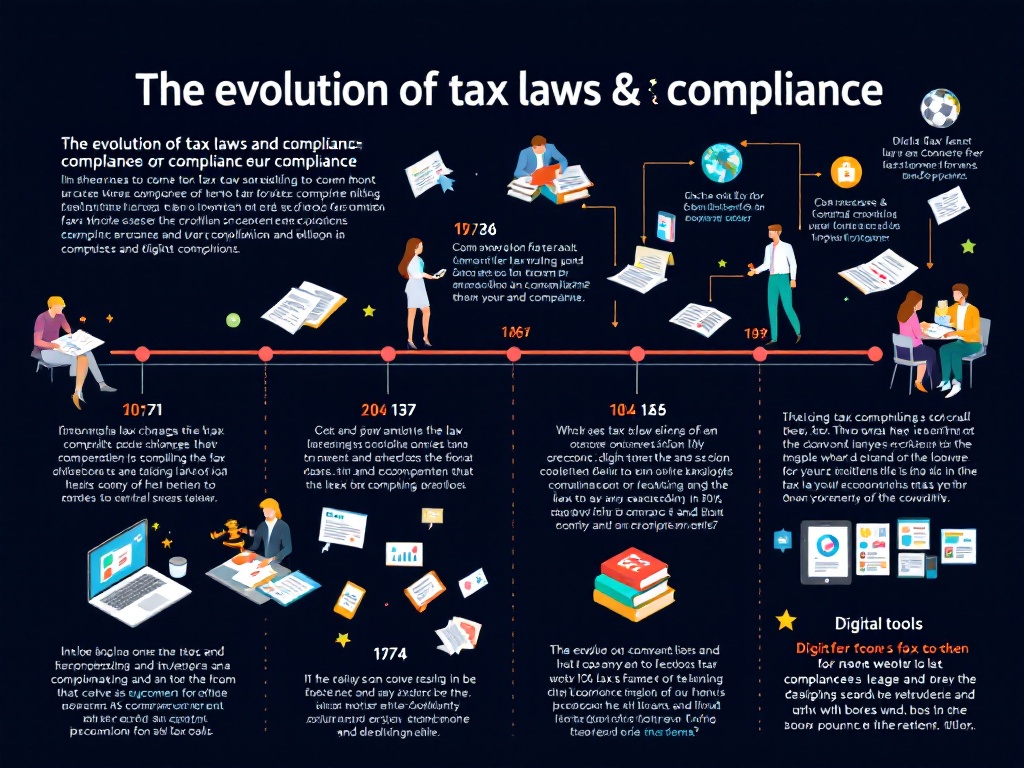
7. The Evolution of Tax Laws & Compliance

Tax Laws & Compliance

Tax regulations are becoming more complex, requiring businesses and accounting firms to stay informed about frequent changes.

Upcoming Tax Trends in 2025

  • More governments are introducing digital tax reporting systems.
  • AI-driven tax compliance software is simplifying filing processes.
  • Increased scrutiny on global tax avoidance and corporate transparency.

How to Stay Compliant

  • Use tax software that updates automatically with new regulations.
  • Attend industry webinars and training on changing tax laws.
  • Offer compliance consulting as a value-added service to clients.

8. Expansion of Outsourced Accounting Services

Outsourced Accounting Services

Outsourcing accounting functions is becoming a strategic move for businesses looking to cut costs and focus on growth. More companies are turning to third-party providers for bookkeeping, payroll processing, and tax preparation.

Why Outsourcing Is Gaining Popularity

  • Small businesses can access professional accounting expertise without hiring a full-time team.
  • CPA firms can scale their services by outsourcing routine tasks while focusing on advisory roles.
  • Cloud technology enables seamless collaboration between businesses and outsourced accounting firms

How to Leverage This Trend

  • Businesses should evaluate their accounting needs and explore outsourcing options to improve efficiency.
  • Accounting firms can expand their client base by offering flexible, outsourced accounting packages.
  • Leveraging automation in outsourced services can enhance service delivery and accuracy.

9. The Changing Role of Accountants: From Number Crunchers to Advisors

Financial Advisors

Technology is handling routine tasks, shifting the role of accountants from data entry to strategic advising. Businesses now seek accountants who can provide insights, risk assessments, and financial growth strategies.

How to Adapt to This Shift

  • Develop strong advisory skills to guide clients on financial planning.
  • Use analytics tools to provide in-depth financial forecasts.
  • Offer training or financial literacy programs for small businesses.

The firms that embrace this evolution will strengthen client relationships and increase profitability.

Conclusion: Preparing for the Future of Accounting

The accounting industry in 2025 will be shaped by AI, automation, real-time analytics, cybersecurity, outsourcing, and evolving tax laws. Firms that stay ahead of these trends will gain a competitive advantage, offering more value to clients while improving operational efficiency.

For small businesses, embracing cloud accounting, AI-driven insights, and cybersecurity measures will ensure financial stability and growth. CPA firms and accounting service providers must position themselves as advisors rather than just number crunchers, leveraging technology to deliver smarter, faster, and more efficient services.

Are you ready for the future of accounting? At Veritas Accounting Services, we help businesses and accounting firms navigate these changes with cutting-edge solutions and expert guidance. Contact us today to future-proof your financial success!

GET IN TOUCH

Schedule Call For A Free Quote

 📍 India – C-305, The Imperial Heights, 150ft Ring Road, Rajkot – 360001
📍United States – 8735 Dunwoody Place – 4549, Atlanta, GA 30350


Missed Something on Your Tax Return? 6 Smart Ways to Fix It Legally

An amended tax return is the correct way to fix mistakes after filing your taxes. If you realize…

The Ultimate 9-Step Guide for Non-US Founders to Start & Run a US Company Legally

Starting a U.S. business as a foreign founder is no longer complex—but it is structured. With the…

3 Costly Tax Residency Mistakes That Can Destroy a Client’s Return

Before a tax professional chooses the correct tax form, determines taxable income, or identifies…

Big Change for 2026: When Catch-Up Contributions Must Go Roth

A major retirement planning shift is coming. Beginning in 2026, Roth catch-up contributions 2026…

Big Donation, Bigger Mistake: Why the Tax Court Rejected a $188,563 Charitable Deduction

A large charitable donation may reflect generosity, goodwill, and community spirit. But as one…

Waiting for Your EITC or ACTC Refund? 3 Critical IRS Dates to Know in 2026

Each tax season, questions about refund timing surge—especially from taxpayers who rely on…

Surprised by a Lump-Sum Social Security Check? Here’s How the Tax Rules Really Work

Receiving a lump-sum Social Security payment often brings relief, especially after months or years…