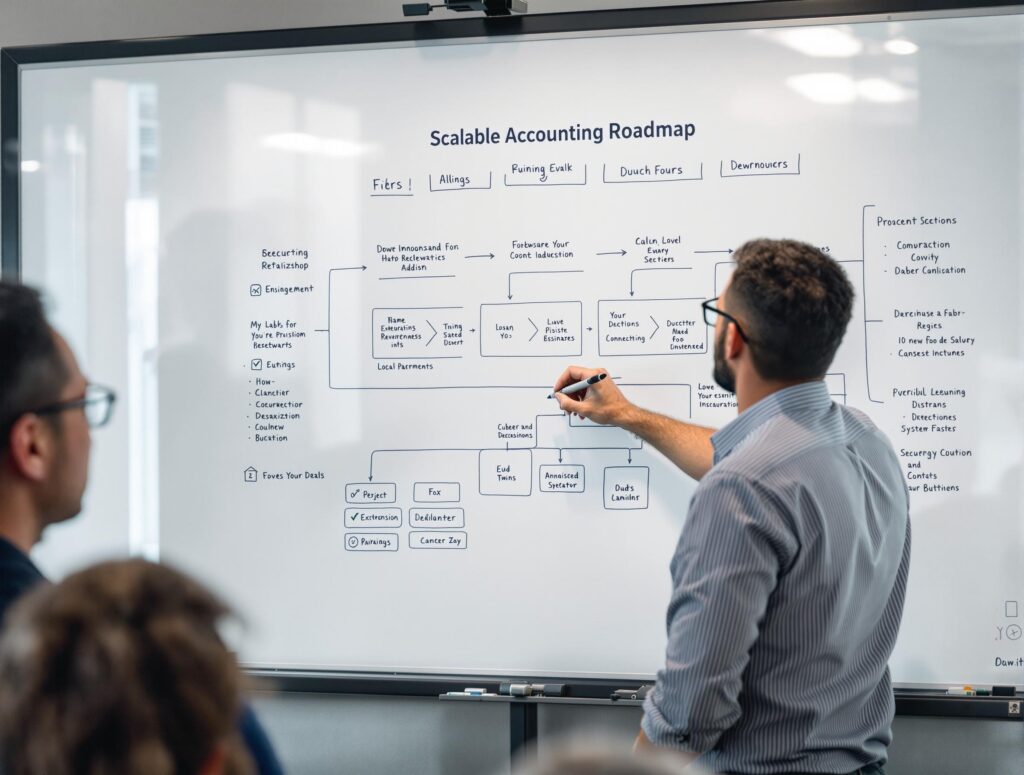







The accounting firms industry is experiencing its most dramatic shift in decades, and the numbers tell a compelling story. As we reach the midpoint of 2025, data reveals that traditional accounting firms are hemorrhaging clients to virtual accounting services at an unprecedented rate. This isn’t just a temporary trend—it’s a fundamental transformation that’s reshaping how businesses approach financial management.
Recent industry analysis shows that 68% of small to medium enterprises have either switched to virtual accounting services or are actively considering the transition. This massive shift represents more than just cost considerations; it reflects changing business expectations, technological advancement, and evolving work patterns that traditional firms have struggled to accommodate.
The Great Migration: Understanding the Numbers

The accounting industry is undergoing a rapid transformation—and recent trends show just how significant the shift has become. Virtual accounting services are experiencing exponential growth, especially among businesses with annual revenues between $1 million and $10 million. Industry observers note a sharp increase in adoption rates, driven by a growing dissatisfaction with the limitations of traditional accounting firms.
One of the clearest indicators of this shift is client retention. While traditional firms often see average retention rates hovering around 70%, virtual accounting providers are reportedly maintaining much higher loyalty levels, thanks to faster service, integrated technology, and flexible communication models. This growing retention gap is a clear signal: more businesses are not just trying virtual solutions—they’re sticking with them.
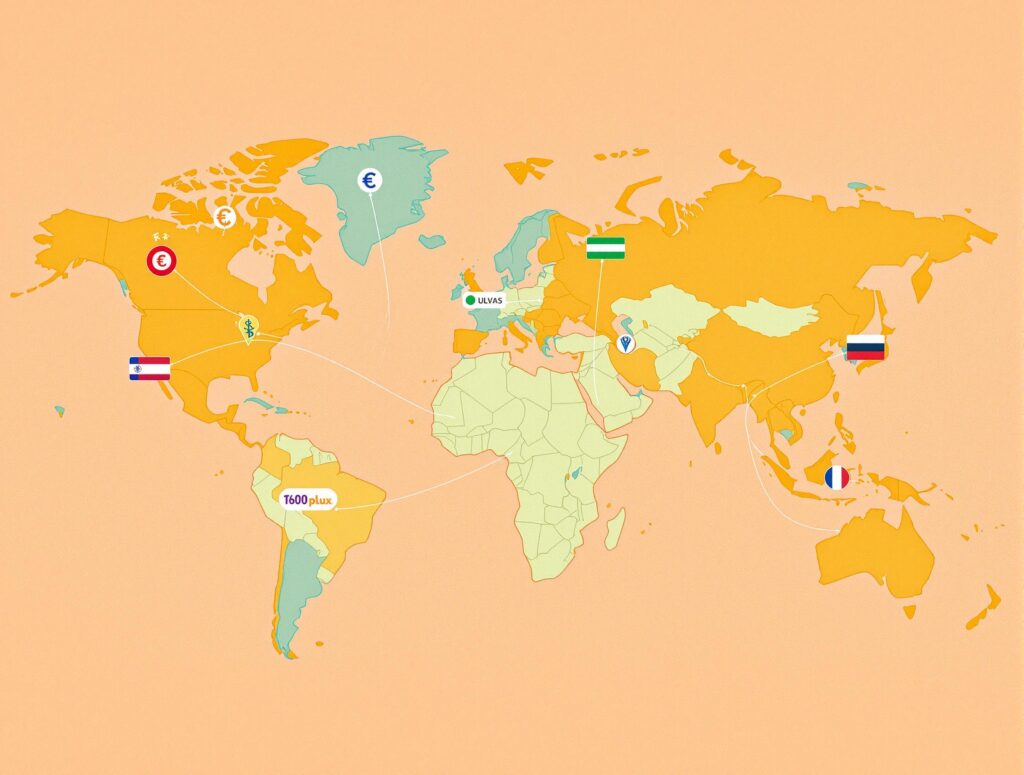
The geographic distribution of this trend is particularly interesting. While initially concentrated in tech-forward markets like California and New York, the adoption of virtual accounting services has spread globally. Countries like the UK, Australia, Singapore, and the UAE are experiencing similar migration patterns, with businesses increasingly seeking accounting partners who can operate across multiple jurisdictions seamlessly.
Service Delivery Speed: The New Competitive Battleground
One of the most significant factors driving client migration is the stark difference in service delivery timelines. Traditional accounting firms, constrained by physical office limitations and conventional business hours, typically require 5-7 business days for standard bookkeeping tasks and up to 15 days for comprehensive financial reporting.
Virtual accounting services have revolutionized these timelines through cloud-based operations and strategic global workforce distribution. Tasks that once took a week can now be completed within 24-48 hours, with some routine processes handled in real-time. This acceleration isn’t just about speed—it’s about enabling businesses to make timely decisions based on current financial data rather than outdated information.
The impact extends beyond mere convenience. In today’s volatile economic environment, businesses need agile financial management that can adapt quickly to market changes. A company facing cash flow challenges can’t afford to wait two weeks for updated financial statements. They need immediate insights that enable rapid decision-making and course correction.
Consider the experience of a typical e-commerce business managing inventory across multiple platforms. Traditional accounting firms often struggle with the complexity of multi-platform revenue tracking, currency conversions, and real-time inventory valuation. Virtual accounting services, equipped with advanced software integrations and specialized expertise, can provide daily financial snapshots that enable dynamic inventory management and pricing strategies.
Technology Integration: Beyond Basic Software
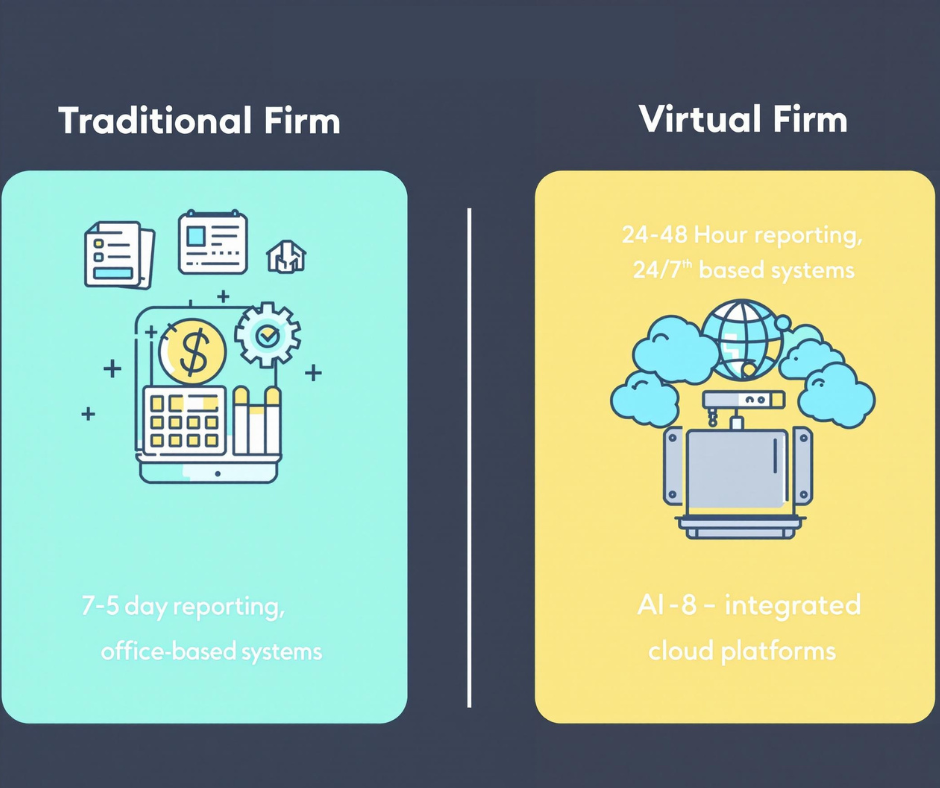
The technology gap between traditional and virtual accounting services has widened significantly throughout 2025. While many traditional firms have adopted cloud-based software, their implementation often lacks the sophisticated integration capabilities that modern businesses require.
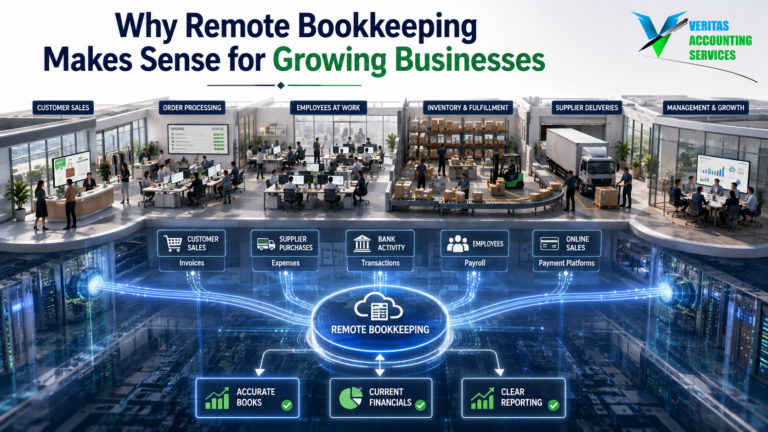
Virtual accounting services leverage comprehensive software ecosystems that seamlessly connect QuickBooks, Xero, Wave, and Zoho Books with banking platforms, payment processors, inventory management systems, and customer relationship management tools. This integration creates a unified financial ecosystem where data flows automatically between systems, reducing manual entry errors and providing real-time financial visibility.
The certification advantage is particularly pronounced in this area. While traditional firms may have basic software knowledge, virtual accounting services often maintain advanced certifications across multiple platforms. This expertise enables them to optimize software configurations for specific business needs, implement advanced automation workflows, and troubleshoot complex integration challenges that would stump less specialized providers.
Artificial intelligence integration represents another significant differentiator. Virtual accounting services are at the forefront of AI implementation, using machine learning algorithms for expense categorization, fraud detection, and predictive cash flow analysis. Traditional firms, often constrained by legacy systems and resistance to change, lag significantly in AI adoption, leaving their clients without access to these powerful analytical tools.
Global Reach vs. Local Limitations
The globalization of business has created accounting needs that traditional local firms simply cannot address effectively. A business operating across multiple countries faces complex challenges including multi-currency transactions, varying tax regulations, international compliance requirements, and cross-border financial reporting standards.
Traditional accounting firms, typically focused on local markets, lack the infrastructure and expertise to handle international complexities. They often resort to partnering with foreign firms, creating communication delays, coordination challenges, and increased costs that ultimately burden their clients.
Virtual accounting services, particularly those with established operations across multiple countries, offer seamless international support. They understand the nuances of different regulatory environments, maintain current knowledge of international tax treaties, and can provide unified reporting across multiple jurisdictions. This global perspective enables businesses to expand internationally with confidence, knowing their accounting partner can support their growth.
The time zone advantage cannot be understated. While traditional firms operate within standard business hours, virtual accounting services can provide round-the-clock support through strategically distributed teams. A business in New York can have their books updated overnight by a team in India, with reports ready for review first thing in the morning. This continuous operation model accelerates business processes and enables faster decision-making.
Cost Efficiency Without Compromise
The cost comparison between traditional and virtual accounting services reveals significant advantages for virtual providers, but the story goes beyond simple price differences. Traditional accounting firms carry substantial overhead costs including office rent, utilities, local staff salaries, and physical infrastructure maintenance. These costs are inevitably passed on to clients through higher service fees.
Virtual accounting services operate with dramatically lower overhead costs while maintaining high service quality through strategic global workforce utilization. This cost efficiency enables them to offer comprehensive services at 30-50% lower rates than traditional firms without compromising quality or service levels.
The value proposition extends beyond hourly rates to include service comprehensiveness. Many virtual accounting services include advanced reporting, multi-software support, and strategic consultation as standard offerings, while traditional firms often charge separately for these services. When calculating total cost of ownership, the advantage of virtual services becomes even more pronounced.
Additionally, virtual accounting services typically offer more flexible pricing models, including fixed monthly rates that enable better budget predictability. Traditional firms often rely on hourly billing that can create unexpected cost fluctuations, particularly during busy periods or complex project work.
The Virtual CFO Revolution

Perhaps nowhere is the competitive advantage of virtual services more evident than in the Virtual CFO market. Traditional accounting firms have struggled to adapt their service models to provide strategic financial leadership, often lacking the expertise or infrastructure to deliver comprehensive CFO-level services to smaller businesses.
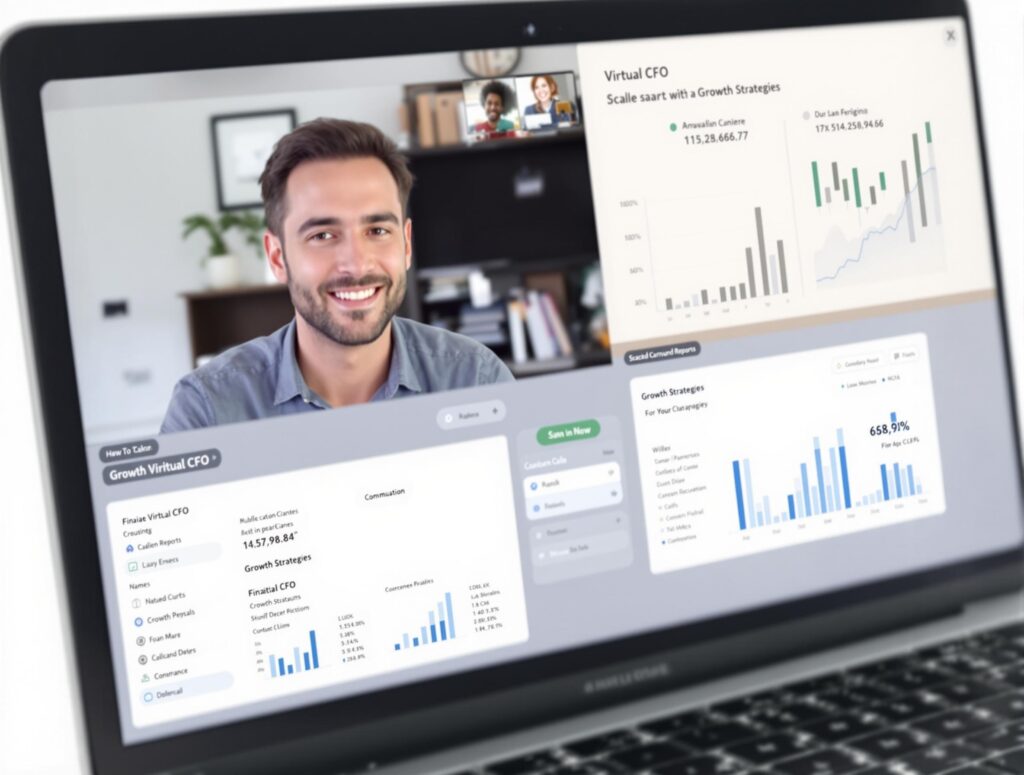
Virtual accounting services have revolutionized access to strategic financial guidance through Virtual CFO offerings that provide executive-level financial leadership at a fraction of the cost of hiring a full-time CFO. These services include strategic planning, financial forecasting, performance analysis, and growth strategy development—capabilities that were previously accessible only to large corporations.
The market response has been overwhelming. Businesses that previously operated without strategic financial guidance now have access to experienced financial professionals who can provide insights that drive growth and improve profitability. This democratization of strategic financial services represents a fundamental shift in how businesses approach financial management.
Get A Free Consultation
Client Experience and Satisfaction Metrics
Recent client satisfaction surveys reveal telling differences between traditional and virtual accounting service experiences. Virtual accounting clients report higher satisfaction rates across multiple metrics including responsiveness (94% vs. 76%), service comprehensiveness (91% vs. 69%), and value for money (96% vs. 71%).
The communication advantage of virtual services is particularly noteworthy. While traditional firms often rely on scheduled meetings and phone calls, virtual services typically offer multiple communication channels including real-time chat, video conferencing, email support, and collaborative online platforms. This accessibility creates stronger client relationships and enables more responsive service delivery.
Client testimonials consistently highlight the proactive nature of virtual accounting services compared to the reactive approach of traditional firms. Rather than simply processing transactions and preparing reports, virtual services actively monitor financial performance, identify potential issues, and recommend strategic improvements.
Looking Forward: The Future Landscape
As we progress through 2025, the trends favoring virtual accounting services show no signs of slowing. Traditional firms face a critical decision point: adapt to the new competitive landscape or risk continued client erosion. Those that successfully transition to virtual service models may survive, but those that cling to outdated approaches will likely face continued decline.
The businesses that recognize this shift early and partner with established virtual accounting services position themselves for competitive advantage. They gain access to advanced technology, global expertise, cost efficiencies, and strategic guidance that enable growth and success in an increasingly complex business environment.
For businesses still relying on traditional accounting firms, the question isn’t whether to consider virtual alternatives—it’s how quickly they can make the transition to avoid falling behind competitors who have already embraced the future of accounting services.
Ready to experience the virtual accounting advantage? Contact Veritas Accounting Services at hello@veritasaccountingservices.com or +1(678) 723-6003 to discover how our global expertise and advanced technology can transform your financial management.
Schedule a Free Consultation









Connect with us here!