

📩 Get A Quote : hello@veritasaccountingservices.com
Classify Business Expenses

How to Correctly Classify Business Expenses & Avoid Common Mistakes

To correctly classify business expenses is foundational to solid bookkeeping and financial decision-making. Yet, many business owners and freelancers trip up in this area—leading to lost deductions, inaccurate reporting, and extra stress during tax season. Let’s change that!

In this guide, you’ll learn:

  • What counts as a business expense (with real examples)
  • Why classification matters so much
  • Common and costly mistakes (and how to sidestep them)
  • Pro tips for flawless, stress-free accounting
  • Answers to the most frequent questions
  • A printable, actionable checklist to keep you organized

What Counts as a Business Expense? (With Real-World Examples)

Infographic showing categorized examples of business expenses like rent, software, and travel.

Business expenses are the ordinary and necessary costs of running your company. But what does that mean in practice?

Here are popular categories and real examples for each:

  • Rent/Lease: Office space, retail location rental, co-working memberships
  • Utilities: Electricity, water, gas, internet, phone for your office
  • Office Supplies: Stationery, computers, software subscriptions, printers, postage
  • Travel: Airfare, mileage, taxis/rideshares, hotels, meals on work trips
  • Meals and Entertainment: Taking clients out for lunch, company event catering (subject to strict limits)
  • Salaries and Wages: Staff pay, bonuses, payroll taxes
  • Professional Services: Legal, accounting, consulting fees
  • Insurance: Business liability, workers comp, property insurance
  • Marketing and Advertising: Website fees, online ads, print materials
  • Depreciation: Gradual cost deduction for major purchases like machinery or vehicles

Pro Tip: If you’re ever unsure if an expense qualifies, ask yourself—”Is this cost directly related to earning business income?” If the answer’s yes, it likely qualifies.

Why Correct Classification Matters

Classifying business expenses correctly doesn’t just make life easier for your accountant. Here’s why it truly matters:

  • Maximize Tax Deductions: Many allowable business expenses directly reduce taxable income, meaning less money owed to the government (and more in your pocket).
  • Financial Insights: Accurate expense tracking reveals which parts of your business are costing the most—and where you can cut back.
  • Audit Readiness: Clean, careful records make audits quick and painless if you ever get selected.
  • Credibility with Investors/Banks: Lenders or investors like to see well-organized, easy-to-explain financials.

Common Expense Classification Mistakes (With Solutions)

Comparison of messy vs organized bookkeeping habits to show the importance of proper expense classification.

Let’s explore mistakes in detail, with real-world fixes:

1. Mixing Personal and Business Finances

  • Example: You grab a coffee using your business card, but it’s not a work-related purchase.
  • Fix: Set up separate bank accounts and credit cards. If you make a mistake, note the transaction as an owner draw or personal reimbursement.

2. Misclassifying Expenses

  • Example: Coding a business lunch with a client as “Office Supplies,” or putting software under “Equipment.”
  • Fix: Use accounting software with preset categories. Review transactions monthly for accuracy.

3. Missing Out on Small Deductions

  • Example: Ignoring small subscriptions or petty cash expenses; assuming they’re “too minor.”
  • Fix: Track every expense, even $2 ones. Digital tools make this frictionless; use expense scanning apps or file receipts in Google Drive.

4. Lost or Incomplete Documentation

  • Example: Tossing receipts or not collecting itemized bills.
  • Fix: Go digital—scan with your phone, save PDFs, or use receipt-management platforms like Expensify or Dext.

5. Over- or Underclaiming Deductions

  • Example: Claiming the full cost of your personal mobile as a business expense, or not claiming your home office at all.
  • Fix: Claim only the business-use portion. For mixed-use items (like utilities at home), use a percentage based on actual use.

6. Not Updating Categories as Business Grows

  • Example: Sticking to overly simple categories (“other expenses,” “miscellaneous”) as your business expands.
  • Fix: Update your chart of accounts yearly. Add new categories for better clarity as business evolves.

GET IN TOUCH

Schedule a Free Call

Pro Tips for Foolproof Expense Management

Tablet displaying a checklist of expense tracking tips with accounting tools around it.

  1. Leverage Accounting Technology
    • Use cloud-based software like QuickBooks, Xero, Zoho, or Wave, which auto-categorizes common expenses (and syncs with your bank!).
    • Set up rules so recurring transactions (like your internet bill) are always coded to the right category.
  2. Be Consistent
    • Define your categories clearly and always use them the same way.
    • If you have a team, create a simple one-pager explaining what belongs where.
  3. Schedule a Monthly “Money Date”
    • Take 30 minutes at the end of each month to review your transactions, match receipts, and fix any uncategorized expenses.
  4. Educate the Whole Team
    • Train employees on proper receipt submission and expense types.
    • Use an approval system for purchases, so random expenses don’t slip through.
  5. Document Your Expense Policy
    • Put your rules in writing! This helps if you ever hire a bookkeeper or get audited.
  6. Ask for Professional Help
    • An accountant or bookkeeper can review your setup, optimize your categories, and ensure you’re maximizing deductions.

FAQs: Business Expense Classification

Q: Can I deduct all meals with clients?
A: Not always. Many tax authorities cap meal deductions at 50%, and receipts/documentation are required. Casual or non-business meals don’t qualify.

Q: What if I work from a home office—how do I classify those expenses?
A: Calculate the percentage of your home used for business (by area or time) and claim that portion of rent, utilities, and insurance as a business expense.

Q: Is my car a business expense if I also use it personally?
A: Only claim the percentage of car expenses related to business miles. Use a mileage log or mileage-tracking app.

Q: What if I make a mistake?
A: Adjust the transaction and document the change. Most software allows easy recategorization.

Actionable Checklist for Smarter Expense Classification

Visual checklist for correctly classifying and managing business expenses.

Feel free to print or bookmark this!

Setup

✅ Open designated business bank accounts
✅ Choose accounting or expense tracking software
✅ Create a clear chart of accounts (categories)

Ongoing Process

✅ Always use the business account for business purchases
✅ Save digital or physical receipts for all transactions
✅ Enter all expenses into your accounting system
✅ Review uncategorized/“miscellaneous” expenses each month
✅ Match bank and credit card transactions to entries
✅ Update categories as business grows

At Year-End

✅ Reconcile all accounts
✅ Check for missed deductions
✅ Provide clear records to your accountant
✅ Adjust categories for the new year’s goals

Final Thoughts

Getting business expense classification right isn’t just about tax season—it’s about taking charge of your business finances and making smarter decisions year-round. The more consistent (and organized) you are, the less likely you are to miss deductions, make costly errors, or panic during audits.

By using technology, documenting your process, and reviewing transactions regularly, you’ll build a system that works for you—not against you.

Need help setting up or reviewing your expense categories? Drop your questions in the comments or connect with our bookkeeping pros for a no-obligation consultation. Your future self—and your bottom line—will thank you!

GET IN TOUCH

Schedule a Free Call

Missed Something on Your Tax Return? 6 Smart Ways to Fix It Legally

An amended tax return is the correct way to fix mistakes after filing your taxes. If you realize…

The Ultimate 9-Step Guide for Non-US Founders to Start & Run a US Company Legally

Starting a U.S. business as a foreign founder is no longer complex—but it is structured. With the…

3 Costly Tax Residency Mistakes That Can Destroy a Client’s Return

Before a tax professional chooses the correct tax form, determines taxable income, or identifies…

Big Change for 2026: When Catch-Up Contributions Must Go Roth

A major retirement planning shift is coming. Beginning in 2026, Roth catch-up contributions 2026…

Big Donation, Bigger Mistake: Why the Tax Court Rejected a $188,563 Charitable Deduction

A large charitable donation may reflect generosity, goodwill, and community spirit. But as one…

Waiting for Your EITC or ACTC Refund? 3 Critical IRS Dates to Know in 2026

Each tax season, questions about refund timing surge—especially from taxpayers who rely on…

Surprised by a Lump-Sum Social Security Check? Here’s How the Tax Rules Really Work

Receiving a lump-sum Social Security payment often brings relief, especially after months or years…

Connect With Us!

Sales tax

Sales Tax Survival Guide for eCommerce Bookkeepers in 2025

Mastering the New Age of Automated Compliance

The need for bookkeepers to become strategic partners in today’s eCommerce landscape has never been greater. With eCommerce businesses rapidly expanding to multiple sales channels and automation technologies advancing at lightning speed, understanding how to streamline compliance, especially for sales tax, is essential for both client success and the growth of bookkeeping practices.

Why Multi-Channel eCommerce Changes Everything

Split-screen infographic showing two sides:
Left side: Frustrated bookkeeper buried in paper ledgers and Excel sheets.
Right side: Same bookkeeper confidently managing multiple sales channels using a cloud-based dashboard with automation icons and platform logos (Amazon, Shopify, eBay, Etsy).
Caption text overlay:
“Manual vs. Automated: The Bookkeeper’s Evolution”

Moving Beyond Traditional Bookkeeping

In the past, bookkeeping focused on ledgers and periodic reconciliations for a single online platform like Shopify or Amazon. Today, thriving eCommerce businesses operate on numerous platforms—Amazon, Shopify, eBay, Etsy, Walmart, Facebook Shops, and their own websites. Each generates unique data streams, reporting requirements, and tax obligations.

Key challenge: Manual processes can’t keep up. Studies show bookkeepers relying on old methods spend significantly more time for lower accuracy—investing up to 73% more effort yet achieving only around 64% accuracy in tracking sales tax compliance for multi-channel clients.

The Opportunity: Bookkeepers must transform into orchestrators of automated systems and real-time data specialists—using technology to minimize manual work and maximize insight.

The Rise of AI in Bookkeeping

Futuristic AI interface showing categorized transactions, a glowing alert for “Nexus Trigger Detected,” and a chart projecting “Next Compliance Date.”
A hand is shown pointing to the screen with holographic-style interface.
Caption: “AI at Work: Smarter Sales Tax Compliance in Real-Time”
Use cool neon tones (blue, green) with digital interface vibes.

Artificial intelligence has revolutionized multi-channel bookkeeping. AI-powered tools can now:

  • Auto-categorize transactions across channels.
  • Detect sales tax nexus triggers in real time.
  • Predict upcoming compliance needs based on client growth.

Results from AI adoption include:

  • 89% reduction in manual data entry.
  • 94% increase in sales tax tracking accuracy.
  • Capability for a bookkeeper to handle 3x more clients without extra staff.

This shift frees professionals to move from repetitive data entry into valuable client advisory and strategic roles instead.

Common Platform-Specific Bookkeeping Challenges

Illustrated icons or small pop-out windows for each platform (Amazon FBA, Shopify, Walmart) with text like:
•	“Amazon: Track Inventory & Fulfillment Nexus”
•	“Shopify: Auto-Tax Changes by State”
•	“Walmart: Marketplace Tax Collection Rules”
Background: A chaotic desk scene showing multiple receipts, invoices, and shipping data.
Caption: “Every Platform. Different Rules.”

Each sales platform presents unique headaches:

  • Amazon FBA: Requires inventory tracking across fulfillment centers and a deep understanding of marketplace tax collection rules.
  • Shopify: Ongoing regulatory changes make it crucial to re-examine sales tax setups, particularly as Shopify introduces automatic tax collection for relevant states.
  • Multi-channel Inventory: Managing stock and margins across platforms can quickly spiral out of control without automation.
  • General Compliance: Ensuring accurate documentation in the event of a tax audit is much more complex when multiple platforms are involved.

The Financial Impact of Multi-Channel Complexity

Two bar charts side-by-side:
•	Chart 1: Annual Compliance Costs (Single-platform vs. Multi-channel)
•	Chart 2: Time Saved & Revenue Gained through Automation
Add annotations showing key stats: “Save up to $15,600/year” and “38% Faster Growth”
Caption overlay: “Smart Bookkeeping = Smart Profits”

Bookkeepers can help clients not only avoid costly tax penalties but also directly improve operational efficiency.

  • Cost of compliance and bookkeeping: Multi-channel stores typically spend $2,400–$4,800 a year (vs. $800–$1,200 for single-platform sellers).
  • Potential savings from professional management: $8,400–$15,600 per year through streamlined, automated workflows.
  • Revenue growth advantage: Businesses on multiple channels grow revenue 38% faster than those on a single platform.

The bottom line: Effective bookkeeping turns what many see as a cost into a profit driver, enabling scalability and peace of mind.

GET IN TOUCH

Connect With Us for 1-1 Call!

Building Your Modern Bookkeeping Tech Stack

A layered stack visual metaphor: Bottom layer shows QuickBooks and Xero logos, followed by integration tools (Zapier, A2X), then cloud dashboards and custom reporting tools at the top.
Icons for each type (cloud, automation, real-time reporting).
Caption: “Build a Scalable, Smart Tech Stack for Growth”

Today’s most successful bookkeeping practices rely on much more than accounting software like QuickBooks or Xero (though these should be your foundation).

Best-in-class practices also adopt:

  • eCommerce integration and automation tools (for sales data import, inventory sync, and multi-platform reconciliation).
  • Cloud-based dashboards, for 24/7 real-time access and collaboration.
  • Custom reports, breaking down profitability and compliance status by channel.

These investments deliver transparency, scalability, and confidence for both bookkeepers and clients.

Why Automated Sales Tax Management Is Essential

A calendar with tax deadlines, automated filing checkmarks, and warning icons removed with a “Fixed by Automation” badge.
Background: Tax forms flying into a digital cloud vault.
Caption: “Automate Tax, Eliminate Risk”

Sales tax compliance is the highest-value, most urgent service for eCommerce clients:

  • Multi-state nexus triggers: Identifying and registering for state sales tax as required by law.
  • Marketplace facilitators: Some platforms collect and remit tax, but your client is still responsible for reporting and proper record-keeping.
  • Automation platforms: Specialized sales tax apps eliminate manual tracking and ensure every filing is timely and complete.

Business impact: Clients typically see payback on automation within 4-6 months through penalty avoidance and saved time. For bookkeepers, sales tax services command premium rates but require minimal hands-on work after setup.

International Operations: A Lucrative Niche

A globe showing connections between the USA and other countries with seller icons, currency symbols, tax documents, and a US flag on the destination end.
Overlay text:
“Global Clients, Local Compliance”

International sellers entering the US face even greater complexity:

  • Navigating both US and home country regulations.
  • Handling US tax ID registration.
  • Managing currency and banking requirements.

These clients see the value in premium, expert services—often investing 40–60% more than domestic-only businesses. Mastering this area can set your firm apart and substantially grow your client base.

Step-by-Step: Growing Your Multi-Channel Bookkeeping Specialization

A step-style roadmap graphic with labeled milestones:
1.	Discover Opportunities
2.	Invest in Tech
3.	Upskill Continuously
4.	Market Your Niche
Caption: “Your Path to Becoming a Strategic eCommerce Bookkeeper

  1. Identify potential within your existing clients. Many may be considering new sales channels—position yourself as their go-to advisor for expansion.
  2. Invest systematically in technology. Start with core accounting integrations. Layer in automation as you add clients and revenue.
  3. Commit to continuous learning. Stay up-to-date on eCommerce trends, tax rules, and new automation tools. This fosters innovation and justified premium billing.
  4. Market your expertise. Tell your story clearly—how you help clients save time, avoid penalties, and optimize growth.

What the Future Holds?

eCommerce complexity and automation are only going to increase. Bookkeepers who future-proof their practices now will seize the biggest opportunities:

  • Combining technical skill with strategic advice.
  • Vying for top positioning in an expanding, lucrative market.
  • Serving as true partners in their clients’ growth journeys, rather than just vendors.

Why Partner with Veritas Accounting Services?

A trust-building image showing a virtual meeting between a business owner and Veritas team with charts on the screen, US and international flags, and a glowing “99.7% Compliance Accuracy” badge.
Include a quote-style overlay:
“340+ eCommerce Clients Trust Veritas for Growth & Compliance”

Choosing the right partner for your accounting and bookkeeping can be the difference between surviving and thriving in today’s eCommerce landscape. Veritas Accounting Services stands out through its deep expertise, innovative technology, and commitment to your business’s long-term success.

Built on Decades of Multi-Channel Experience

Veritas Accounting Services draws upon decades of hands-on experience, managing books and compliance for businesses with operations spanning the globe. This cross-border expertise means clients benefit from specialized knowledge in managing the challenges of international VAT, US sales tax, and complicated multi-channel reporting requirements. Whether you sell on Amazon, Shopify, Etsy, Walmart, or your own website, the Veritas team understands the pain points unique to eCommerce and knows how to navigate them smoothly.

Proprietary, Seamless Integration with Leading Software

The technology stack at Veritas is robust and highly adaptable. Clients enjoy seamless integration with industry-leading cloud platforms, including QuickBooks Online, Xero, Wave, Zoho Books, and other specialized eCommerce accounting tools. This integration not only speeds up processes, but also enables real-time reconciliation, inventory tracking, and advanced analytics across every channel you utilize—all while maintaining absolute accuracy and compliance. Automated solutions provided by Veritas eliminate manual data entry, drastically reduce errors, and free you to focus on scaling your business.

Proven Track Record: 340+ International Clients Served

When you work with Veritas, you join an expanding network of 340+ happy international brands who have successfully optimized and protected their financial operations. The results speak for themselves—Veritas clients consistently achieve a 99.7% compliance accuracy rate, drastically lowering exposure to penalties, tax audits, and administrative burden. By minimizing risk and creating transparent, audit-ready reporting, Veritas provides peace of mind so you can pursue growth with confidence.

More Than Bookkeepers—Strategic Growth Partners

Veritas doesn’t just keep your books; the team acts as your virtual CFO, advisor, and strategic partner. Their personalized process includes in-depth business analysis, proactive compliance monitoring, and recommendations on cashflow management, forecasting, and even process automation for scaling up efficiently. This level of involvement helps clients unlock hidden savings, capture new opportunities, and stay ahead of regulatory changes, both in the US and internationally.

Flexible, Scalable Services Designed for You

Whether you’re a fast-growing startup or a seasoned multinational, Veritas tailors its solutions to fit your needs. You gain the flexibility to scale services up or down as your operations evolve, thanks to the team’s experience with a wide range of business models and industries—from eCommerce and logistics to restaurants and professional services.

If you’re ready to build a future-proof, competitive, and growth-oriented practice—or need a dedicated accounting partner capable of supporting your multi-channel eCommerce ambitions—reach out to Veritas Accounting Services today at hello@veritasaccountingservices.com or call +1(678) 723-6003.

GET IN TOUCH

Schedule a FREE Call

Missed Something on Your Tax Return? 6 Smart Ways to Fix It Legally

An amended tax return is the correct way to fix mistakes after filing your taxes. If you realize…

The Ultimate 9-Step Guide for Non-US Founders to Start & Run a US Company Legally

Starting a U.S. business as a foreign founder is no longer complex—but it is structured. With the…

3 Costly Tax Residency Mistakes That Can Destroy a Client’s Return

Before a tax professional chooses the correct tax form, determines taxable income, or identifies…

Big Change for 2026: When Catch-Up Contributions Must Go Roth

A major retirement planning shift is coming. Beginning in 2026, Roth catch-up contributions 2026…

Big Donation, Bigger Mistake: Why the Tax Court Rejected a $188,563 Charitable Deduction

A large charitable donation may reflect generosity, goodwill, and community spirit. But as one…

Waiting for Your EITC or ACTC Refund? 3 Critical IRS Dates to Know in 2026

Each tax season, questions about refund timing surge—especially from taxpayers who rely on…

Surprised by a Lump-Sum Social Security Check? Here’s How the Tax Rules Really Work

Receiving a lump-sum Social Security payment often brings relief, especially after months or years…

Connect with us here!

Sales Tax Nexus

Sales Tax Nexus Warning For Amazon and Shopify Sellers

The landscape of multi-platform e-commerce selling has never been more complex, especially when it comes to sales tax nexus compliance. If you’re among the millions of entrepreneurs selling through both Shopify and Amazon, you’re navigating two fundamentally different tax collection systems that could cost you thousands in penalties if misunderstood.

Recent data shows that 73% of multi-platform sellers are making critical compliance mistakes, with the average penalty reaching $4,200 per business in 2024. The stakes have risen dramatically with Shopify’s announcement that they will begin collecting marketplace facilitator taxes automatically on all U.S. nexus transactions in 2025, fundamentally changing the compliance landscape for millions of sellers.

The Game-Changing Difference: Amazon vs. Shopify

Understanding the fundamental difference between Amazon and Shopify is crucial for your compliance strategy.

Amazon operates as a marketplace facilitator, meaning it creates a centralized storefront where multiple sellers offer products and maintains significant control over transactions. This classification requires Amazon to collect and remit sales tax on behalf of third-party sellers in all 45 sales tax states.

Amazon’s coverage is comprehensive — it handles approximately 89% of third-party seller obligations automatically. Whether you’re using FBA (Fulfilled by Amazon) or FBM (Fulfilled by Merchant), Amazon collects tax, manages complex inventory tracking across fulfillment centers, and even provides audit protection for covered transactions.

Shopify, conversely, has functioned as an e-commerce platform rather than a marketplace facilitator. It provides technology infrastructure for independent online stores but doesn’t create a centralized marketplace. This meant Shopify sellers were responsible for their own sales tax compliance — until now.

Shopify’s 2025 Revolution: What’s Changing

Calendar marked "2025" with a tax document icon and Shopify logo, zoomed-in on U.S. map highlighting different states

Here’s the game-changer: Shopify will begin automatic marketplace facilitator tax collection on U.S. nexus transactions in 2025. This represents a seismic shift affecting millions of Shopify stores and fundamentally altering the compliance landscape for multi-platform sellers.

Unlike Amazon’s blanket coverage, Shopify’s system will focus specifically on nexus-triggered obligations. This means Shopify will only collect tax in states where your business has established nexus through economic thresholds (typically $100,000 in annual sales) or physical presence.

The rollout timeline varies by store size. Shopify Plus merchants will see changes beginning in early 2025, while standard Shopify stores will transition throughout the year. This phased approach allows for system testing, but it also means you need to stay informed about your specific transition timeline.

The Multi-Platform Compliance Challenge

Here’s where it gets tricky for sellers using both platforms. Economic nexus thresholds are based on total sales into a state, regardless of platform. If you sell $60,000 through Amazon and $50,000 through Shopify into California, you’ve exceeded the $100,000 threshold and have nexus obligations.

Amazon will handle tax collection for its portion, but you’re responsible for ensuring compliance on Shopify sales. This coordination challenge is why multi-platform sellers reach nexus thresholds 67% faster than single-platform sellers and trigger nexus in an average of 4.7 states compared to 2.8 states for single-platform sellers.

State-by-State Variations That Matter

Different states have varying approaches that create additional complexity for multi-platform sellers:

  • California maintains a $500,000 threshold with no transaction count requirement. With $891 million collected in economic nexus enforcement revenue in 2024, California demonstrates aggressive enforcement that makes compliance essential.
  • Texas recently eliminated its transaction count requirement, focusing solely on the $500,000 revenue threshold. This simplification benefits multi-platform sellers by reducing tracking complexity.
Heatmap of the USA showing aggressive states like CA, NY, TX, FL in red shades; others in lighter blue

  • New York maintains both revenue ($500,000) and transaction count (100 transactions) thresholds. The relatively low transaction count means multi-platform sellers can trigger nexus quickly, even with modest sales volumes.
  • Florida has implemented an automated nexus detection system that cross-references sales data from multiple sources — particularly relevant for multi-platform sellers who may not properly track combined sales.

The Hidden Costs of Multi-Platform Selling

Illustration showing a confused seller juggling Shopify and Amazon logos, and piles of tax forms

The complexity of managing both platforms creates significant hidden costs. Research shows that businesses selling through both Amazon and Shopify spend an average of 73% more on compliance activities compared to single-platform sellers.

Data fragmentation represents one of the biggest challenges. Amazon provides detailed sales reports by state, but these must be combined with Shopify data to get a complete picture of nexus obligations. Many sellers struggle with this integration, leading to either over-compliance (unnecessary registrations) or under-compliance (missing nexus obligations).

Professional service utilization is significantly higher among multi-platform sellers, with 84% using external compliance help compared to 52% of single-platform sellers. This reflects both the increased complexity and the recognition that professional management often costs less than potential penalties.

Technology Solutions: Your Compliance Lifeline

Dashboard screenshot or mockup showing Amazon + Shopify data merged on one screen with tax alerts

Effective multi-platform selling requires sophisticated technology solutions that integrate data from both Amazon and Shopify while providing comprehensive compliance management. The complexity makes automation essential for most sellers.

Sales tax automation platforms now offer direct connections to both Amazon Seller Central and Shopify admin systems. These integrations automatically pull sales data, calculate combined nexus obligations, and provide real-time compliance monitoring across all channels.

The ROI is compelling: automated systems reduce compliance costs by an average of 67% compared to manual management, while improving accuracy from 77% to 97%. For sellers managing both platforms, automation typically pays for itself within 4–6 months.

GET IN TOUCH

Connect With Us for 1-1 Call!

International Sellers: Additional Complexity

Global globe with arrows pointing to the U.S., tax documents and EIN symbol overlayed.

International sellers face unique challenges when selling through both platforms in the U.S. market. The combination of cross-border requirements and multi-platform compliance creates challenges requiring specialized expertise.

U.S. tax ID requirements apply regardless of platform, but the process becomes more complex when selling through multiple channels. International sellers need an EIN (Employer Identification Number) that must be used consistently across all platforms to avoid compliance complications.

Banking considerations become critical. U.S. bank accounts are strongly recommended for tax remittance, and having a single account for both Amazon and Shopify sales simplifies reconciliation and compliance tracking.

Data shows that 91% of international multi-platform sellers use professional services, compared to 67% of domestic sellers, reflecting the additional complexity of managing both U.S. state tax obligations and home country requirements.

Preparing for Shopify’s 2025 Changes

The transition to Shopify’s marketplace facilitator system requires proactive planning. Here’s what you need to do:

  • Conduct a Nexus Analysis: Understand your current obligations before automatic collection begins. Include historical sales data, current registration status, and projected growth.
  • Review System Integration: Ensure your accounting systems can handle the change from manual to automatic tax collection. This may require software updates or configuration changes.
  • Update Documentation: Review existing exemption certificates, registration documents, and filing schedules to align with Shopify’s new system.
  • Stay Informed: Monitor your specific transition timeline, as changes will roll out throughout 2025.

Professional vs. DIY: Making the Right Choice

The decision between professional compliance management and DIY approaches becomes more complex for multi-platform sellers due to increased administrative burden and risk exposure.

DIY compliance for multi-platform sellers requires significant time investment — research shows sellers managing both platforms internally spend 18–25 hours monthly on compliance activities, compared to 8–12 hours for single-platform sellers.

The error rate is also significantly higher, with 34% of self-managed multi-platform sellers making compliance mistakes that result in penalties or over-compliance costs.

Professional service costs typically range from $400–800 monthly for comprehensive management, depending on sales volume and complexity. The break-even point occurs when monthly sales across both platforms exceed approximately $150,000, or when selling in more than 5 states with nexus obligations.

Veritas Accounting Services: Your Multi-Platform Partner

At Veritas Accounting Services, we understand the unique challenges facing multi-platform sellers navigating both Amazon and Shopify compliance requirements. Our decade of professional excellence across 6+ countries has equipped us with specialized expertise in managing complex, multi-channel tax obligations.

Our multi-platform clients achieve close to 99.7% compliance accuracy while reducing administrative burden by an average of 89%. Our integrated approach eliminates the data fragmentation that plagues many multi-platform sellers, providing clear visibility into combined nexus obligations and compliance requirements.

We offer comprehensive services including:

  • Automated threshold monitoring across all channels
  • Coordinated registration and filing management
  • Integrated reporting that combines Amazon and Shopify data
  • Strategic planning for platform expansion

For international sellers, we provide additional services including U.S. tax ID acquisition, cross-border banking coordination, and currency conversion tracking.

Your Path Forward

Success in multi-platform selling requires strategic thinking about compliance that goes beyond simply meeting minimum requirements. The most successful sellers view compliance as a competitive advantage, rather than a necessary burden.

With Shopify’s 2025 changes approaching, now is the time to evaluate your compliance strategy. Whether you choose professional management or enhanced DIY approaches, the key is taking action based on strategic priorities rather than reactive responses to regulatory complexity.

The e-commerce landscape continues evolving, with marketplace facilitator laws expanding and compliance requirements becoming more sophisticated. Multi-platform sellers who master these complexities now will be better positioned for future expansion and sustained profitability.

Don’t let compliance complexity limit your growth potential.
📩 Contact Veritas Accounting Services today at hello@veritasaccountingservices.com or +1 (678) 723-6003 to discuss your specific multi-platform compliance needs and discover how strategic compliance management can support your business success across both Amazon and Shopify.

Veritas Accounting ServicesTransforming financial management with precision, compliance, and global expertise. Serving businesses across the US, UK, UAE, Singapore, Malaysia, and Ireland with over 1000+ successful projects completed.

GET IN TOUCH

Schedule a FREE Call

Missed Something on Your Tax Return? 6 Smart Ways to Fix It Legally

An amended tax return is the correct way to fix mistakes after filing your taxes. If you realize…

The Ultimate 9-Step Guide for Non-US Founders to Start & Run a US Company Legally

Starting a U.S. business as a foreign founder is no longer complex—but it is structured. With the…

3 Costly Tax Residency Mistakes That Can Destroy a Client’s Return

Before a tax professional chooses the correct tax form, determines taxable income, or identifies…

Big Change for 2026: When Catch-Up Contributions Must Go Roth

A major retirement planning shift is coming. Beginning in 2026, Roth catch-up contributions 2026…

Big Donation, Bigger Mistake: Why the Tax Court Rejected a $188,563 Charitable Deduction

A large charitable donation may reflect generosity, goodwill, and community spirit. But as one…

Waiting for Your EITC or ACTC Refund? 3 Critical IRS Dates to Know in 2026

Each tax season, questions about refund timing surge—especially from taxpayers who rely on…

Surprised by a Lump-Sum Social Security Check? Here’s How the Tax Rules Really Work

Receiving a lump-sum Social Security payment often brings relief, especially after months or years…

Connect with us here!

Sales Tax Compliance LMarketplace delivery boxes in Amazon, Etsy, and eBay colors with glowing U.S. state maps behind them, representing state-wise tax compliance handled by platforms.

How to Master Sales Tax Compliance: Without Over-Filing And Avoid These 5 Painful Mistakes

Navigating sales tax compliance as a marketplace seller can be overwhelming, especially with constantly evolving regulations across 45 US states. With marketplace facilitator laws now generating over $13.7 billion annually and economic nexus thresholds affecting 2.4 million e-commerce businesses, knowing what to prioritize—and what to skip—has never been more critical. Prioritizing the right compliance strategies protects both your bottom line and your peace of mind.

Recent data from the sales tax Institute reveals a startling reality: 67% of marketplace sellers are either over-complying, wasting valuable resources on unnecessary tasks, or under-complying, risking substantial penalties. The average penalty for non-compliance reached $4,200 per business in 2024, while businesses that over-comply spend an unnecessary $2,400 annually on redundant compliance activities. This comprehensive guide will help you focus your efforts where they matter most while avoiding common compliance traps that drain time and resources without adding value.

Understanding Your Marketplace Coverage: The Foundation of Smart Compliance

Sales Tax Compliance
Laptops with Amazon, Etsy, and eBay logos displaying U.S. map segments, symbolizing state-by-state tax coverage by different marketplaces.

Before diving into any compliance activities, you must understand your specific situation as a marketplace seller. Data-backed approach, 87% process reduction determines approximately 80% of your compliance obligations and can save you from countless hours of unnecessary work. The landscape has changed dramatically since marketplace facilitator laws took effect, with platforms now handling the vast majority of sales tax collection and remittance on behalf of their sellers.

Amazon, the largest marketplace, now collects tax in all 45 sales tax compliance states for FBA transactions, covering 89% of third-party seller obligations automatically. This means if you’re exclusively selling through Amazon FBA, your compliance burden has been reduced by nearly 90% compared to just five years ago. However, FBM (Fulfilled by Merchant) sellers still need to conduct separate analysis for transactions not covered by Amazon’s collection system.

eBay has similarly revolutionized compliance for its sellers through eBay Managed Payments, which covers 94% of transactions on the platform. Since implementation, seller registration requirements have been reduced by 67%, simplified the compliance landscape significantly for millions of sellers. Etsy handles collection in all applicable states for its craft and handmade sellers, maintaining a 91% compliance rate across its platform and providing small seller protection for transactions under $600 annually.

The key insight here is that many sellers are registering in states where their marketplace already handles everything, creating unnecessary filing obligations and ongoing costs. Data shows that 34% of marketplace sellers over-register, spending an average of $1,200 annually on compliance activities that provide no value. Understanding your platform’s coverage is the first step toward efficient compliance management.

Economic Nexus: Focusing on What Actually Matters

A balance scale weighing symbolic U.S. states against a revenue milestone, illustrating the concept of economic nexus for sales tax.

Economic nexus thresholds determine when you’re required to collect and remit sales tax in each state, but many sellers either over-monitor their obligations or focus on outdated metrics. The landscape has simplified significantly, with 67% of states eliminating transaction count requirements in favor of revenue-only thresholds.

California leads the pack with $891 million collected in 2024 from economic nexus enforcement, maintaining a $500,000 threshold with no transaction count requirement. Texas generated an additional $312 million through nexus enforcement, recently eliminating its transaction count requirement in January 2025. New York continues its aggressive enforcement approach with a $500,000 threshold and 100 transaction requirement, averaging $4,200 in penalties per non-compliant business. Florida has implemented a new automated nexus detection system, resulting in an 89% increase in penalty collections throughout 2024.

The smart approach to nexus monitoring involves tracking only revenue-based thresholds in states where you have realistic potential to reach them. Most marketplace sellers trigger nexus in an average of 3.2 states, making it counterproductive to monitor all 45 states if you’re only generating $200,000 in annual sales across all platforms. Setting alerts at 75% of relevant thresholds provides adequate planning time while avoiding the administrative burden of constant monitoring.

Transaction count tracking has become largely obsolete, with states like North Carolina, South Dakota, Wyoming, and Vermont eliminating these requirements in 2024-2025. This trend has resulted in an average 18% reduction in compliance costs for affected businesses and 4.2 hours of monthly time savings per business. The focus should be on states representing 80% of your sales volume rather than attempting to track every possible nexus scenario.

Strategic Registration: Avoiding the Over-Compliance Trap

Side-by-side image of over-registration stress versus strategic state registration for sales tax efficiency.

Registration strategy is one of the most critical compliance decisions for marketplace sellers. Done correctly, it can save thousands annually. Done prematurely, it creates ongoing costs and filing burdens.

Home State vs. Multi-State Registration

  • Home State: Registration in your business’s home state is always required, even if your marketplace handles sales tax. Many sellers overlook this basic obligation.
  • Multi-State: Only register in other states if:
    • You’ve crossed economic nexus thresholds
    • Your marketplace doesn’t collect in those states
    • You conduct direct sales (non-marketplace)

Avoid registering in states just because they’re “potential” markets. Every registration triggers recurring obligations—even if you have no sales.

When Not to Register

  • Marketplace Handles Everything: If Amazon, Etsy, or eBay covers all tax collection and remittance in a state, registration is usually unnecessary.
  • No Nexus: If you’re far below the economic nexus threshold and not growing in that region, it’s inefficient to register.
  • No Sales Tax States: Alaska, Delaware, Montana, New Hampshire, and Oregon have no sales tax. Avoid unnecessary filings here.

Cost of unnecessary registration:
$150–300 per year in filing fees per state, plus administrative costs and time.

Use Voluntary Disclosure When Appropriate

If you’ve operated without registering in a state where you had a tax obligation:

  • Consider Voluntary Disclosure Agreements (VDAs) in 38 states.
  • These can reduce penalties by up to 67% if addressed proactively.
  • Particularly helpful if you’re more than 6 months non-compliant.

Special Rules for International Marketplace Sellers

Illustration showing international eCommerce seller navigating U.S. tax compliance, banking, and documentation.

International sellers face additional complexity when selling in U.S. marketplaces. From tax IDs to banking and compliance gaps, the risks—and penalties—can be high.

Tax Identification & Entity Setup

  • Most U.S. states require either:
    • An Employer Identification Number (EIN) or
    • An Individual Taxpayer Identification Number (ITIN)
  • Choose the correct entity type (e.g., sole proprietor, LLC, corp) to avoid double taxation and classification issues.

Banking & Payment Infrastructure

  • Opening a U.S. bank account simplifies remittance and improves compliance.
  • Track currency conversions, international fees, and wire transfers to maintain a clean audit trail.
  • Use multi-currency accounting tools (e.g., Xero, Zoho Books) with U.S. tax integration.

Common Mistakes to Avoid

  • Applying home country VAT rules to U.S. sales tax
  • Assuming marketplace coverage applies in every state
  • Delaying U.S. compliance due to perceived complexity
  • Not realizing that marketplace coverage varies by state

Why Professional Guidance Helps

  • 84% of international sellers use U.S.-based experts
  • Setup time reduced by 67%
  • Prevents costly errors that often cost $3,000+ to fix later
  • Unlocks cross-border tax efficiencies not visible to DIY sellers

Record Keeping: Essential Documentation Without Excessive Overhead

Effective record keeping strikes a balance between audit preparedness and operational efficiency. The key is maintaining critical documentation while avoiding the trap of over-documentation that consumes resources without adding protection value.

Essential documentation includes monthly sales reports broken down by state and jurisdiction, with clear separation between marketplace and direct sales. This information should categorize taxable versus non-taxable sales and maintain a clear audit trail for all transactions. Valid exemption certificates, including resale certificates, non-profit exemption documentation, and government entity exemptions, must be maintained for the full statutory period, typically four years or more.

Tax collection records deserve special attention, documenting the amount collected by jurisdiction, remittance confirmations, and complete audit trail documentation. For marketplace sellers, maintaining marketplace facilitator confirmations becomes crucial, including platform tax collection confirmations, coverage verification documents, and gap analysis documentation that clearly shows which transactions are covered by the platform versus requiring direct compliance.

The temptation to over-document can be counterproductive and expensive. Consider changing to: Daily sales tracking offers minimal audit advantage compared to monthly summaries, while individual transaction documentation for marketplace-collected sales creates unnecessary administrative burden. Detailed product categorization is only necessary when selling exempt items, and customer address verification is handled by the marketplace for platform sales.

Modern accounting software integration eliminates much of the manual documentation burden while providing superior audit trails. QuickBooks integration is used by 67% of small businesses, while Xero maintains a 23% market share with 91% satisfaction rates. Wave integration has become popular among startups due to its free tier availability, and Zoho Books continues growing at 45% annually with comprehensive feature sets.

Technology and Automation: Smart Investments for Long-Term Success

Digital accounting tools and automation icons representing streamlined tax compliance through software integration.

Technology investment in sales tax compliance delivers measurable returns when properly implemented. Sales tax automation tools provide an average ROI of 340% in the first year, with 94% error reduction in calculation mistakes and 87% reduction in manual processes. The key is selecting appropriate tools for your business size and complexity rather than over-engineering solutions.

Nexus monitoring systems provide real-time threshold tracking with 24-hour alert systems, maintaining 100% accuracy in nexus determination when properly configured. These systems integrate seamlessly with popular accounting platforms, creating automated workflows that eliminate manual tracking requirements. The time savings alone justify the investment, with businesses reporting reductions from 12 hours monthly to 1.5 hours monthly for compliance management.

However, technology mistakes can be costly and counterproductive. Multiple overlapping software solutions create confusion and duplicate costs, while enterprise-level tools often provide unnecessary complexity for small operations. Custom development should be avoided when proven off-the-shelf solutions exist, and manual spreadsheet tracking becomes counterproductive when automation is readily available and affordable.

The comparison between manual and automated approaches is stark. Manual tracking requires 12 hours monthly with a 23% error rate, while automated systems reduce this to 1.5 hours monthly with only a 3.2% error rate. Professional management services can reduce this further to 0.2 hours monthly with a 0.3% error rate, making the cost-benefit analysis clear for many businesses.

Audit Preparation: Focused Defense Without Paranoia

Visual of an audit-ready digital file with compliance checklists and analysis tools, symbolizing tax audit preparedness.

Audit preparation should focus on realistic risks rather than theoretical possibilities. High-risk audit triggers include rapid growth patterns with 200% or more year-over-year growth, sudden expansion into new states, and platform diversification. Compliance gaps such as late registrations, inconsistent filing patterns, and marketplace coverage gaps also increase audit likelihood.

Industry targeting affects audit probability, with electronics and technology sellers facing 34% higher audit rates, clothing and accessories sellers experiencing 28% higher rates, and health and beauty sellers seeing 31% higher audit rates. Understanding these patterns helps prioritize preparation efforts where they’re most likely to be needed.

Effective audit defense preparation involves maintaining organized digital records, documenting marketplace facilitator coverage clearly, keeping nexus analysis documentation current, and establishing professional representation relationships before they’re needed. The goal is creating a defensible position without excessive preparation for unlikely scenarios.

Over-preparation for audits wastes resources on low-probability events. Over-preparing for audits in states with minimal sales, focusing on historical periods fully covered by marketplace facilitators, and treating routine compliance reviews as formal audits all represent misallocation of compliance resources. The key is proportional preparation based on actual risk assessment.

International Marketplace Sellers: Navigating Cross-Border Complexity

International sellers face unique challenges when operating in US marketplaces, with 84% utilizing professional services to navigate the complexity. Sellers from the UK, UAE, Singapore, Malaysia, and Ireland must address US tax ID requirements, including EIN (Employer Identification Number) for tax purposes or ITIN (Individual Taxpayer Identification Number) for individuals, along with proper entity classification.

Banking and remittance considerations become critical for international sellers. US bank accounts are recommended for tax payments, requiring currency conversion tracking and international wire transfer documentation. The complexity of managing both home country obligations and US state requirements makes professional guidance particularly valuable for international operations.

Common mistakes include applying home country VAT logic to US sales tax, ignoring US state-level requirements, assuming marketplace coverage is universal across all jurisdictions, and delaying US compliance due to perceived complexity. These mistakes can result in significant penalties and sales tax compliance gaps that become expensive to correct.

Professional services show particular value for international sellers, with average setup time reduction of 67% when expert help is utilized. Cross-border tax optimization opportunities often exist that can offset service costs through improved tax efficiency and reduced sales tax compliance burden.

GET IN TOUCH

Connect With Us for 1-1 Call!

Cost-Benefit Analysis: Making Smart Investment Decisions

The decision between DIY compliance and professional services should be based on clear cost-benefit analysis rather than assumptions about complexity or cost. Professional services make sense when annual marketplace sales exceed $500,000, when selling in five or more states with nexus obligations, when facing audit or compliance issues, when operating internationally with US sales, or when time costs exceed service costs.

Veritas Accounting Services demonstrates the value proposition with a 99.7% compliance success rate across managed accounts, average penalty avoidance of $8,400 per client annually, 72% faster multi-state registration than industry average, and 94% client retention rate over five years. These results reflect the measurable benefits of professional management for appropriate situations.

DIY approaches work effectively when operating through a single marketplace with full coverage, generating annual sales under $200,000, operating in one to two states only, having strong accounting background, and maintaining adequate time for compliance management. The key is honest assessment of capabilities and time availability.

The investment analysis shows typical professional service ranges from $1,200-2,400 for basic nexus analysis and setup, $200-500 monthly for ongoing compliance management, $150-300 per state for multi-state registration and filing, and $2,400-4,800 for international seller setup. Measurable returns include $8,400-15,600 annually in penalty avoidance, $3,200-6,400 annually in time savings value, and $1,200-3,600 annually in over-compliance elimination, resulting in net annual benefits of $12,800-25,600.

State-Specific Priorities: Strategic Focus for Maximum Impact

Effective compliance management requires prioritizing states based on actual impact rather than theoretical obligations. Tier 1 priority states demand immediate attention and include California with $891 million collected in 2024 and aggressive enforcement, Texas with $312 million additional revenue from nexus and 45% audit increases, New York with $4,200 average penalties per non-compliant business, and Florida with new automated detection systems and 89% penalty increases.

Tier 2 priority states require close monitoring and include Illinois with strong enforcement and marketplace facilitator gaps, Pennsylvania with complex local tax requirements, Washington with destination-based sourcing complexities, and Ohio with frequent threshold changes. These states represent the next level of compliance priority for most marketplace sellers.

Lower priority states for most sellers include those with minimal sales volume, comprehensive marketplace coverage, higher thresholds of $500,000 or more, and infrequent enforcement actions. Allocating equal attention to all states wastes resources that could be better focused on high-impact jurisdictions.

The strategic approach involves analyzing your specific sales patterns and growth trajectory to identify which states will require attention over the next 12-18 months. This forward-looking analysis prevents reactive compliance while avoiding unnecessary preparation for unlikely scenarios.

Seasonal Planning: Timing Your Compliance Activities

Seasonal considerations significantly impact compliance efficiency and cost-effectiveness. The Q4 compliance rush from October through December requires close monitoring of threshold proximity, preparation for year-end nexus triggers, advance planning for January registrations, and coordination with tax season preparation. Many sellers cross nexus thresholds during holiday sales periods, making proactive planning essential.

Q1 planning from January through March provides optimal timing for annual nexus analysis and planning, registration updates and renewals, system upgrades and integrations, and professional service evaluations. This period offers the best opportunity for strategic compliance planning before the business year accelerates.

Mid-year reviews in June and July enable threshold monitoring and projections, compliance gap analysis, technology performance review, and cost-benefit reassessment. This timing allows course corrections before year-end complications arise.

Avoiding last-minute compliance rushes prevents costly mistakes and penalties. Common timing mistakes include waiting until December to check nexus status, delaying registration until after threshold breach, ignoring mid-year planning opportunities, and taking reactive rather than proactive approaches to compliance management.

Common Mistakes: Learning from Others’ Expensive Errors

The top five marketplace seller mistakes cost businesses thousands of dollars annually in unnecessary expenses and penalties. Double registration, where sellers register in states where their marketplace already handles tax collection, creates ongoing filing obligations without benefit. Threshold miscalculation, including marketplace-collected sales in nexus calculations, leads to premature registration and unnecessary costs.

Filing when not required, submitting returns in marketplace-covered states, creates administrative burden and potential audit triggers. Ignoring available exemptions and deductions increases tax liability unnecessarily. Poor record keeping inadequately prepares businesses for audit defense while creating operational inefficiencies.

The financial impact of these mistakes is substantial. Over-compliance results in average annual costs of $2,400 per seller, while under-compliance penalties average $4,200 per incident. Professional correction costs range from $1,800-3,600 per mistake, making prevention significantly more cost-effective than correction.

Time-wasting activities that don’t add value include daily sales tax monitoring, registering in every state “just in case,” manual calculation when automation is available, excessive documentation for covered transactions, and constant regulation monitoring without strategic focus. Eliminating these activities frees resources for value-adding business activities.

Your Path Forward: Strategic Implementation

Success in marketplace seller compliance comes from strategic focus rather than comprehensive coverage. Understanding your specific situation, prioritizing high-impact activities, leveraging appropriate technology, and maintaining proportional preparation creates sustainable compliance without excessive burden.

At Veritas Accounting Services, our decade of professional excellence across 6+ countries has helped over 1,000 marketplace sellers navigate these complexities with measurable results. Our 99.7% compliance success rate, combined with average annual savings of $15,600 in avoided penalties and over-compliance costs, demonstrates the value of strategic professional partnership.

The choice between DIY and professional management should be based on clear analysis of your specific situation, growth trajectory, and resource availability. Whether you choose independent management or professional partnership, the key is taking action based on strategic priorities rather than reactive responses to regulatory complexity.

Need help with compliance?
Schedule a free 30-minute consultation with Veritas Accounting Services to assess your Sales Tax Compliance strategy and avoid costly mistakes.

For marketplace sellers ready to optimize their compliance approach, Veritas Accounting Services offers comprehensive analysis and strategic guidance. Contact us at hello@veritasaccountingservices.com or +1(678) 723-6003 to discuss your specific situation and explore how strategic compliance management can support your business growth while minimizing regulatory burden.

The marketplace selling landscape continues evolving, but the principles of strategic compliance remain constant: focus on what matters, avoid what doesn’t, and maintain proportional preparation for realistic scenarios. Your Sales Tax Compliance approach should support business growth rather than constraining it, creating sustainable systems that scale with your success.

GET IN TOUCH

Schedule a FREE Call

Missed Something on Your Tax Return? 6 Smart Ways to Fix It Legally

An amended tax return is the correct way to fix mistakes after filing your taxes. If you realize…

The Ultimate 9-Step Guide for Non-US Founders to Start & Run a US Company Legally

Starting a U.S. business as a foreign founder is no longer complex—but it is structured. With the…

3 Costly Tax Residency Mistakes That Can Destroy a Client’s Return

Before a tax professional chooses the correct tax form, determines taxable income, or identifies…

Big Change for 2026: When Catch-Up Contributions Must Go Roth

A major retirement planning shift is coming. Beginning in 2026, Roth catch-up contributions 2026…

Big Donation, Bigger Mistake: Why the Tax Court Rejected a $188,563 Charitable Deduction

A large charitable donation may reflect generosity, goodwill, and community spirit. But as one…

Waiting for Your EITC or ACTC Refund? 3 Critical IRS Dates to Know in 2026

Each tax season, questions about refund timing surge—especially from taxpayers who rely on…

Surprised by a Lump-Sum Social Security Check? Here’s How the Tax Rules Really Work

Receiving a lump-sum Social Security payment often brings relief, especially after months or years…

Connect on our Socials!

marketplace facilitator laws

Marketplace Facilitator Laws and Economic Nexus 2025: Compliance Made Simple

The landscape of US sales tax compliance has undergone dramatic transformations in recent years, with marketplace facilitator laws and economic nexus thresholds creating new challenges for businesses nationwide. As we navigate through 2025, understanding these evolving regulations has become critical for maintaining compliance and avoiding costly penalties. Whether you’re a local startup or an international business operating in the US market, staying informed about these changes can make the difference between seamless operations and regulatory nightmares.

Understanding Economic Nexus: The Foundation of Modern Sales Tax Compliance

Businessperson analyzing digital economic nexus dashboard with U.S. sales data and warning indicators for multiple states.

Economic nexus represents a fundamental shift in how states determine tax obligations for businesses. Unlike traditional physical nexus, which required a business to have a physical presence in a state, economic nexus is triggered purely by sales volume or transaction count thresholds. This concept emerged from the landmark 2018 South Dakota v. Wayfair Supreme Court decision, which revolutionized sales tax collection across the United States.

The standard economic nexus threshold adopted by most states is $100,000 in annual sales revenue or 200 separate transactions within the state. However, this seemingly straightforward rule has evolved significantly, with many states now eliminating transaction count requirements and focusing solely on revenue thresholds.

Recent State-by-State Changes: The 2024–2025 Evolution

Highlighted US states on a 3D map showcasing recent sales tax threshold changes with floating analytics visuals.

·        North Carolina’s Significant Update

Effective July 1, 2024, North Carolina eliminated the 200-transaction count from its economic nexus threshold. Businesses now only need to monitor their revenue threshold of $100,000, simplifying compliance tracking and aligning with trends toward reduced administrative burdens.

·       Alaska’s Threshold Adjustments

Although Alaska doesn’t have a statewide sales tax, many local jurisdictions enforce tax through the Alaska Remote Seller Sales Tax Commission. Starting January 1, 2025, the state will eliminate the 200-transaction threshold, requiring registration only for businesses exceeding $100,000 in gross sales.

·       South Dakota’s Transaction Count Elimination

As the original state behind the Wayfair decision, South Dakota has followed the simplification trend. In 2025, the state will be eliminating its 200-transaction threshold, relying solely on a $100,000 revenue threshold to determine nexus.

·       Utah’s Planned Elimination in 2025

Utah currently uses both the revenue and transaction thresholds, but Senate Bill 47, passed in early 2024, will eliminate the 200-transaction requirement effective July 1, 2025. Remote sellers will then only need to track the $100,000 revenue threshold, reducing compliance complexity.

Marketplace Facilitator Laws: The Game Changer

marketplace facilitator laws

All US states with sales tax now have marketplace facilitator laws in place, fundamentally changing how online sales tax is collected and remitted. These laws require platforms like Amazon, eBay, Etsy, Toast, and others to collect and remit sales tax on behalf of their third-party sellers.

What Qualifies as a Marketplace Facilitator?

A marketplace facilitator is typically defined as a business that:

  • Contracts with sellers to make sales through the platform
  • Collects payment from customers
  • Charges fees for use of the marketplace
  • Provides customer service or return processing

Common Platforms Affected:

  • Amazon and Amazon FBA
  • eBay (Managed Payments)
  • Etsy
  • Toast (for restaurants)
  • Shopify (in certain configurations)
  • Facebook Marketplace
  • Google Shopping

State Variations in Implementation

While the concept is consistent, states differ in their specific definitions and thresholds for marketplace facilitators. Some states have distinct rules for different types of marketplaces, while others apply blanket laws. Businesses must understand these variations, especially if they operate in multiple states.

GET IN TOUCH

Schedule A Discovery Call

The Compliance Challenge: 30-Day Implementation Windows

Professional desktop with accounting software and sales tax automation tools integrated into a cloud-based system.

One of the most pressing challenges of economic nexus laws is the rapid implementation timeline. Most states require businesses to register and begin collecting sales tax within 30 days of crossing the nexus threshold. This tight window can cause serious issues for businesses experiencing rapid growth or seasonal spikes.

What Businesses Must Track:

  • Sales revenue by state
  • Transaction counts (where still applicable)
  • Proximity to nexus thresholds
  • Registration deadlines
  • Filing requirements

Who’s Affected Most?

·       E-commerce Retailers

Online sellers are often the most impacted, as they may meet nexus thresholds in multiple states simultaneously. The combination of economic nexus and marketplace facilitator laws creates a multi-layered compliance environment.

·       International Sellers in the US

International business team reviewing U.S. tax compliance requirements with a digital US map in the background.

Businesses from the UK, UAE, Singapore, Malaysia, and Ireland selling to US customers must be especially diligent. They need to manage compliance with US state laws while balancing local tax obligations.

·       Service-Based Businesses

Service businesses are not exempt—especially those providing digital services, software-as-a-service (SaaS), or operating through online platforms. Some states have expanded taxability to include these categories.

Technology and Automation: A Compliance Necessity

Given the complexity, sales tax automation tools are now essential. These tools can:

  • Monitor sales by jurisdiction in real-time
  • Provide threshold alerts
  • Automate registration and reporting
  • Accurately calculate tax rates
  • File returns electronically

Popular accounting software integrations include:

Common Compliance Pitfalls

Compliance errors represented as tangled red tape over tax files, warning icons, and audit notifications.

1.    Delayed Registration

Businesses that wait to register after crossing a threshold face penalties and back tax assessments.

2.    Inadequate Recordkeeping

Maintaining detailed records of sales, exemptions, and tax collected is essential for audit defense.

3.    Marketplace Misunderstandings

Many businesses misunderstand when they must collect tax themselves versus when the marketplace handles it. This can lead to double-taxation or undercollection.

The Role of Professional Accounting Services

Professional advisor showing sales tax strategy on a screen with multi-state analysis to a business client.

Given the complexities, many companies are turning to professional accounting services for:

  • Nexus analysis and monitoring
  • Multi-state registration
  • Sales tax automation setup
  • Filing and remittance support
  • Strategic tax planning and audit defense

Veritas Accounting Services: Your Compliance Partner

At Veritas Accounting Services, we specialize in multi-jurisdictional sales tax compliance. With over 1,000 completed projects across 6+ countries, our team helps businesses:

  • Determine and monitor nexus across states
  • Implement automation tools
  • Register accurately and on time
  • Stay audit-ready with robust reporting

Whether you’re a growing US-based business or an international seller expanding into the American market, Veritas can ensure you stay compliant, competitive, and penalty-free.

📧 hello@veritasaccountingservices.com
📞 +1 (678) 723-6003

Final Thoughts: Prepare, Don’t React

The landscape of marketplace facilitator laws and economic nexus continues to evolve rapidly. Businesses that treat compliance as a strategic priority—supported by automation and professional guidance—will avoid costly penalties and gain a competitive edge.

Stay proactive. Stay informed. Stay compliant—with Veritas Accounting Services by your side.

Missed Something on Your Tax Return? 6 Smart Ways to Fix It Legally

An amended tax return is the correct way to fix mistakes after filing your taxes. If you realize…

The Ultimate 9-Step Guide for Non-US Founders to Start & Run a US Company Legally

Starting a U.S. business as a foreign founder is no longer complex—but it is structured. With the…

3 Costly Tax Residency Mistakes That Can Destroy a Client’s Return

Before a tax professional chooses the correct tax form, determines taxable income, or identifies…

Big Change for 2026: When Catch-Up Contributions Must Go Roth

A major retirement planning shift is coming. Beginning in 2026, Roth catch-up contributions 2026…

Big Donation, Bigger Mistake: Why the Tax Court Rejected a $188,563 Charitable Deduction

A large charitable donation may reflect generosity, goodwill, and community spirit. But as one…

Waiting for Your EITC or ACTC Refund? 3 Critical IRS Dates to Know in 2026

Each tax season, questions about refund timing surge—especially from taxpayers who rely on…

Surprised by a Lump-Sum Social Security Check? Here’s How the Tax Rules Really Work

Receiving a lump-sum Social Security payment often brings relief, especially after months or years…

Connect with us on socials!

Inflation-Proof Your Business

Inflation-Proof Your Business with 7 Proven Accounting Tactics That Cut Costs

As we navigate through 2025, inflation continues to be one of the most pressing challenges facing businesses worldwide. With costs rising across every sector—from raw materials to labor, utilities to transportation—business owners are finding their profit margins squeezed tighter than ever before. The question isn’t whether inflation will affect your business, but how well-prepared you are to weather this economic storm. Let’s Inflation-proof your business.

Recent economic data shows that businesses without proper financial strategies are 73% more likely to experience cash flow crises during inflationary periods. However, companies that implement smart accounting strategies not only survive but often emerge stronger, having used the challenging period to optimize their operations and strengthen their market position.

At Veritas Accounting Services, with over a decade of experience managing 1000+ projects across 6+ countries, we’ve witnessed firsthand how businesses can transform financial challenges into competitive advantages. The key lies in implementing proactive accounting strategies that don’t just react to inflation—they anticipate and neutralize its impact.

Understanding Inflation’s Hidden Impact on Your Business

Inflation-Proof Your Business- Illustration of inflation eroding cash reserves and hidden business costs

Inflation doesn’t affect all aspects of your business equally, and understanding these nuances is crucial for developing effective countermeasures. While most business owners focus on obvious cost increases like supplier price hikes, the hidden impacts often prove more damaging to long-term profitability.

Consider the erosion of your cash reserves. Money sitting in low-interest accounts loses purchasing power daily during inflationary periods. A business maintaining $100,000 in cash reserves during a 6% inflation period effectively loses $6,000 in purchasing power annually—money that could have been strategically deployed to generate returns or reduce future costs.

Inventory management becomes particularly complex during inflationary periods. Traditional accounting methods may not accurately reflect the true cost of goods sold when replacement costs significantly exceed historical purchase prices. This discrepancy can lead to pricing decisions based on outdated cost structures, resulting in eroded profit margins despite maintaining historical markup percentages.

The timing of expenses and revenue recognition also becomes critical. Accelerating certain expenses while deferring others can provide significant cash flow advantages. Similarly, contract terms and payment schedules that seemed reasonable during stable economic periods may become problematic when inflation accelerates.

Labor costs present another multifaceted challenge. Beyond direct wage increases, inflation drives up the cost of employee benefits, from health insurance to retirement contributions. The pressure to retain talent during inflationary periods often forces businesses to implement compensation adjustments that outpace productivity gains, further pressuring profit margins.

Strategic Cost Management Through Advanced Accounting

Accountant using integrated software tools for strategic cost tracking during inflation

Effective inflation management begins with reimagining your approach to cost accounting. Traditional cost allocation methods often fail to capture the dynamic nature of inflationary pressures, leading to pricing decisions based on incomplete information.

Activity-based costing becomes particularly valuable during inflationary periods. By accurately tracking the true cost of each business activity, you can identify which processes are most vulnerable to inflationary pressures and prioritize optimization efforts accordingly. This granular understanding enables targeted cost reduction strategies rather than across-the-board cuts that may damage operational efficiency.

Real-time cost tracking transforms from a luxury to a necessity during inflationary periods. Monthly financial statements, while useful for historical analysis, provide insufficient frequency for dynamic cost management. Businesses implementing weekly or even daily cost monitoring can identify inflationary impacts immediately and adjust pricing or operations accordingly.

The integration of multiple accounting software platforms—QuickBooks, Xero, Wave, and Zoho Books—enables comprehensive cost tracking across different business functions. This multi-platform approach provides redundancy and specialized functionality that single-software solutions cannot match. For instance, while QuickBooks might excel at general ledger management, Xero’s inventory tracking capabilities might provide superior insights into cost of goods sold fluctuations.

Variance analysis becomes critical for identifying inflationary impacts before they become unmanageable. Regular comparison of actual costs against budgeted amounts, adjusted for known inflationary factors, reveals areas where costs are escalating beyond expected rates. This early warning system enables proactive intervention rather than reactive damage control.

Dynamic Pricing Strategies and Revenue Optimization

Real-time dynamic pricing adjustments in response to rising business costs

Inflation requires a fundamental shift from static to dynamic pricing models. For Inflation-Proof Your Business, Traditional annual price adjustments prove insufficient when costs fluctuate monthly or even weekly. However, implementing dynamic pricing requires sophisticated financial tracking and analysis capabilities that many businesses lack internally.

Value-based pricing becomes increasingly important during inflationary periods. Rather than simply adding inflationary increases to existing prices, successful businesses focus on communicating and delivering enhanced value that justifies premium pricing. For Inflation-Proof Your Business, This approach requires detailed cost-benefit analysis and customer value assessment that goes beyond traditional accounting practices.

Contract management and pricing escalation clauses provide protection against unexpected cost increases. However, implementing these mechanisms requires careful financial modeling to ensure they provide adequate protection without making your offerings uncompetitive. The key lies in understanding your cost structure well enough to predict which expenses are most vulnerable to inflationary pressures.

Revenue recognition timing can provide significant cash flow advantages during inflationary periods. Accelerating revenue recognition where possible, while deferring expenses, improves cash position and reduces the impact of inflation on working capital. For Inflation-Proof Your Business, This strategy requires careful compliance with accounting standards and tax regulations across different jurisdictions.

Customer payment terms become a critical component of inflation management. Shortening payment cycles reduces the impact of inflation on accounts receivable, while offering early payment discounts can improve cash flow even when the discount rate exceeds current interest rates. The key is understanding the true cost of extended payment terms in an inflationary environment.

Cash Flow Optimization in Inflationary Environments

Visual metaphor of smooth and optimized cash flow navigating inflation-related challenges

Cash flow management during inflationary periods requires a complete rethinking of traditional approaches. The goal shifts from maximizing cash reserves to optimizing cash velocity and purchasing power preservation.

Accelerated depreciation strategies can provide immediate tax benefits while reducing future taxable income when inflation may have increased tax rates. However, implementing these strategies requires careful coordination between financial reporting and tax planning to ensure compliance while maximizing benefits for Inflation-Proof Your Business.

Inventory management becomes a balancing act between carrying costs and price protection. Strategic inventory purchases ahead of anticipated price increases can provide significant cost savings, but this approach requires accurate demand forecasting and sufficient cash flow to support increased inventory investments.

Supplier relationship management takes on new importance during inflationary periods. Negotiating longer-term contracts with key suppliers can provide cost stability, while diversifying supplier bases reduces vulnerability to individual supplier price increases. These strategies require detailed supplier cost analysis and relationship management that goes beyond traditional procurement approaches.

Working capital optimization becomes critical for maintaining operational flexibility. This involves not just managing cash, but optimizing the entire cash conversion cycle—from inventory purchase through customer payment collection. Reducing this cycle by even a few days can provide significant cash flow improvements during inflationary periods.

GET IN TOUCH

Schedule a FREE Call

Technology Integration for Real-Time Financial Management

Modern accounting software integration provides capabilities that were impossible just a few years ago. The combination of cloud-based platforms with real-time data synchronization enables business owners to monitor financial performance with unprecedented accuracy and speed.

Automated expense categorization and tracking reduces the administrative burden of detailed cost monitoring while improving accuracy. Machine learning algorithms can identify unusual expense patterns that might indicate inflationary pressures in specific cost categories, enabling proactive management responses.

Multi-currency capabilities become essential for businesses operating internationally or dealing with international suppliers. Inflation rates vary significantly between countries, and currency fluctuations can either amplify or offset inflationary impacts. Sophisticated currency hedging strategies require real-time monitoring and analysis capabilities that integrated accounting platforms provide.

Predictive analytics and forecasting tools enable businesses to model different inflationary scenarios and their potential impacts. This capability transforms financial planning from reactive to proactive, enabling strategic decisions based on probable future conditions rather than historical performance.

Integration with banking and payment platforms provides real-time cash flow visibility that enables immediate responses to changing conditions. This integration also facilitates automated cash management strategies that optimize interest earnings and minimize transaction costs.

Global Perspective on Inflation Management

Global accounting strategy integrating taxes, currencies, and suppliers across multiple countries

Operating across multiple countries provides unique challenges and opportunities during inflationary periods. Different countries experience varying inflation rates, and regulatory environments may provide different tools for managing inflationary impacts.

Currency diversification can provide natural hedging against localized inflationary pressures. Businesses with revenue streams in multiple currencies may find that currency appreciation in low-inflation countries offsets margin pressure in high-inflation markets. However, this strategy requires sophisticated currency risk management and accounting practices.

Tax optimization strategies vary significantly between jurisdictions, and inflationary periods often provide opportunities for strategic tax planning. Accelerated depreciation, inventory accounting method changes, and timing of income recognition can provide significant benefits, but these strategies must be implemented in compliance with local regulations.

International supplier diversification reduces vulnerability to localized inflationary pressures. However, managing suppliers across multiple countries requires sophisticated logistics and financial management capabilities, including multi-currency accounting and international payment processing.

Regulatory compliance becomes more complex during inflationary periods as governments often implement new policies to address economic challenges. Staying current with regulatory changes across multiple jurisdictions requires dedicated resources and expertise that many businesses lack internally.

Building Long-Term Resilience Through Strategic Planning

Inflation-proofing your business requires more than short-term tactical adjustments—it demands fundamental changes to how you approach financial management and strategic planning. The businesses that emerge strongest from inflationary periods are those that use the challenge as an opportunity to build more robust and efficient operations.

Scenario planning becomes essential for navigating uncertain economic conditions. Developing detailed financial models for different inflationary scenarios enables proactive decision-making and reduces the likelihood of being caught unprepared by changing conditions. These models should include not just direct cost impacts, but also secondary effects like customer behavior changes and competitive responses.

Investment in efficiency improvements often provides the highest returns during inflationary periods. Process automation, technology upgrades, and operational optimization can reduce per-unit costs even as input prices rise. However, these investments require careful financial analysis to ensure they provide adequate returns in the current economic environment.

Customer relationship management becomes increasingly important as businesses compete for a potentially shrinking pool of customers with reduced purchasing power. Understanding customer value and lifetime profitability enables strategic decisions about pricing, service levels, and customer retention investments.

The Veritas Advantage in Inflationary Times

Successfully navigating inflationary challenges requires expertise that goes beyond basic bookkeeping. It demands strategic financial management, real-time monitoring capabilities, and the experience to implement complex strategies across multiple business functions and jurisdictions.

With over 1000 completed projects across 6+ countries, Veritas Accounting Services has developed proven methodologies for helping businesses not just survive but thrive during challenging economic periods. Our expertise in multiple accounting platforms—QuickBooks, Xero, Wave, and Zoho Books—enables comprehensive financial management that adapts to your specific business needs.

Our global perspective provides insights into how different markets respond to inflationary pressures, enabling strategies that leverage international opportunities while mitigating local risks. Whether you’re dealing with multi-currency transactions, international supplier relationships, or cross-border tax optimization, our experience provides the foundation for effective inflation management.

The combination of advanced technology integration, strategic financial planning, and hands-on implementation support ensures that your business has the tools and expertise needed to transform inflationary challenges into competitive advantages.

Ready to inflation-proof your business? Contact Veritas Accounting Services today to discover how our proven strategies can protect and grow your business during these challenging times.

Contact Information:

  • Email: hello@veritasaccountingservices.com
  • Phone: +1(678) 723-6003 (US) | +91 9725552243 (India)
  • Global Expertise: Serving businesses across US, UK, Ireland, Singapore, Malaysia, UAE, and beyond

Don’t let inflation erode your profits. Let our decade of experience and 1000+ successful projects guide your business through these challenging times toward stronger, more resilient operations.

GET IN TOUCH

Schedule a FREE Call

Missed Something on Your Tax Return? 6 Smart Ways to Fix It Legally

An amended tax return is the correct way to fix mistakes after filing your taxes. If you realize…

The Ultimate 9-Step Guide for Non-US Founders to Start & Run a US Company Legally

Starting a U.S. business as a foreign founder is no longer complex—but it is structured. With the…

3 Costly Tax Residency Mistakes That Can Destroy a Client’s Return

Before a tax professional chooses the correct tax form, determines taxable income, or identifies…

Big Change for 2026: When Catch-Up Contributions Must Go Roth

A major retirement planning shift is coming. Beginning in 2026, Roth catch-up contributions 2026…

Big Donation, Bigger Mistake: Why the Tax Court Rejected a $188,563 Charitable Deduction

A large charitable donation may reflect generosity, goodwill, and community spirit. But as one…

Waiting for Your EITC or ACTC Refund? 3 Critical IRS Dates to Know in 2026

Each tax season, questions about refund timing surge—especially from taxpayers who rely on…

Surprised by a Lump-Sum Social Security Check? Here’s How the Tax Rules Really Work

Receiving a lump-sum Social Security payment often brings relief, especially after months or years…

Connect with us on Social Media!

Business Continuity Planning

Is Your Business Continuity Planning Financially Strong? 7 Strategies You Need Now

In an increasingly volatile business environment, the ability to maintain operations during unexpected disruptions has become a critical competitive advantage. With over a decade of professional excellence and 1000+ completed projects across 6+ countries, Veritas Accounting has guided businesses through numerous crises, from economic downturns to global pandemics. Our experience has shown that businesses with robust financial continuity plans are not only more likely to survive disruptions but often emerge stronger than their competitors.

Understanding Business Continuity in the Financial Context

Business continuity planning extends far beyond operational procedures—it requires comprehensive financial strategies that ensure your business can weather any storm. Financial uncertainty and compliance issues can quickly escalate during disruptions, making timely and strategic financial management absolutely critical for survival.

At Veritas, we’ve observed that businesses operating across multiple countries face unique continuity challenges. Currency fluctuations, varying regulatory responses, and different market conditions during crises require sophisticated financial planning that accounts for global complexities. Our presence in the USA, UK, Australia, and other markets provides us with firsthand experience in managing these multi-jurisdictional challenges.

The Financial Foundation of Business Continuity

Emergency Cash Flow Management The cornerstone of any business continuity plan is maintaining adequate cash flow during disruptions. This goes beyond simply having cash reserves—it requires understanding your cash conversion cycle, identifying potential cash flow bottlenecks, and creating multiple scenarios for different disruption levels.

A split-screen image showing "Normal Operations" vs "During Disruption" — one side has steady cash flow and team working calmly, the other shows falling cash symbols with a cash flow chart and alert notifications, but a CFO dashboard provides control. Style: semi-realistic, dashboard UI with overlays.

Our Virtual CFO services help businesses develop comprehensive cash flow forecasting models that account for various disruption scenarios. Using our expertise with QuickBooks, Xero, Wave, and Zoho Books, we create real-time cash flow monitoring systems that provide early warning signals when financial stress begins to emerge.

Strategic Reserve Management While traditional advice suggests maintaining 3-6 months of operating expenses in reserves, our experience shows that businesses need more sophisticated reserve strategies. This includes diversifying reserve locations, maintaining multi-currency reserves for international operations, and establishing credit facilities before they’re needed.

We help businesses optimize their reserve strategies by analyzing historical cash flow patterns, identifying seasonal variations, and stress-testing financial models against various disruption scenarios. This approach ensures reserves are adequate without tying up excessive capital during normal operations.

Crisis-Proofing Your Financial Systems

Illustration of a business accessing financial dashboards from a remote mountain cabin and a city apartment — both connected to the cloud. Floating QuickBooks and Xero logos visible in a subtle way. Symbolizes location-independence and tech resilience.

Technology Resilience and Remote Access The shift to remote work during recent global disruptions highlighted the critical importance of cloud-based financial systems. Businesses with outdated, location-dependent accounting systems faced significant operational challenges when physical offices became inaccessible.

Our seamless integration expertise with top accounting software ensures businesses can maintain full financial operations regardless of physical location. Cloud-based solutions like QuickBooks Online and Xero provide the accessibility and security needed for continuous financial management during disruptions.

Financial Process Automation Manual financial processes become major vulnerabilities during disruptions when key personnel may be unavailable. Automation not only improves efficiency during normal operations but provides critical continuity capabilities during crises.

A robotic arm or automation system stamping “Paid” and processing invoices digitally with no human presence. Text overlays like “Invoice Auto-Processing” and “Payroll Automation Enabled.” Futuristic, clean and stylized.

We help businesses identify and automate key financial processes, from invoice generation to payment processing, ensuring essential financial functions continue even when staffing is disrupted. This automation also reduces the risk of errors during high-stress periods when manual oversight may be limited.

Multi-Country Continuity Strategies

World map with key countries (USA, UK, Australia, India) highlighted. Overlays include compliance icons (tax, payroll, legal), fluctuating currency graphs, and crisis alert flags. Style: infographic style with modern minimalism.

Regulatory Compliance During Disruptions Businesses operating in multiple countries must navigate varying regulatory responses during crises. Some jurisdictions may offer tax relief or compliance extensions, while others maintain strict deadlines regardless of circumstances.

Our global expertise across 6+ countries enables us to help businesses understand and leverage available regulatory relief while maintaining compliance where flexibility isn’t available. This includes managing tax obligations, employment law requirements, and financial reporting standards across different jurisdictions.

Currency Risk Management in Crisis Situations Economic disruptions often trigger significant currency volatility, which can severely impact businesses with international operations. Companies that don’t actively manage currency risk may find their financial position deteriorating rapidly during crises.

We provide comprehensive currency risk management strategies that include hedging techniques, natural hedging through operational adjustments, and scenario planning for different currency movement patterns. These strategies help businesses maintain financial stability even when currency markets become highly volatile.

Stress Testing and Scenario Planning

A war-room style digital interface showing multiple crisis scenarios, decision trees, and stress test graphs. A team is analyzing projected outcomes on large screens. Style: cinematic realism or 3D-style illustration.

Financial Stress Testing Methodologies Effective business continuity planning requires understanding how your business would perform under various stress scenarios. This goes beyond simple “what if” discussions to include quantitative analysis of different disruption levels and durations.

Our ratio analysis expertise helps businesses identify key financial vulnerabilities and stress test their business models against various scenarios. This includes analyzing debt service capabilities, working capital requirements, and profitability thresholds under different operating conditions.

Dynamic Scenario Planning Static business continuity plans quickly become obsolete as conditions change. Effective continuity planning requires dynamic scenario modeling that can be updated as new information becomes available during a crisis.

We help businesses develop flexible scenario planning frameworks that can be quickly adjusted as disruptions evolve. This includes creating decision trees for different response options and establishing trigger points for implementing various contingency measures.

Financial Communication During Crises

An executive holding a digital tablet, broadcasting a message via video, with icons of investors, customers, and team members listening remotely. Screens show financial charts and reassuring data. Emotion: confident and transparent leadership.

Stakeholder Communication Strategies During disruptions, clear and timely communication with financial stakeholders becomes critical. This includes investors, lenders, suppliers, and customers who all need to understand how the business is managing through the crisis.

Our financial reporting expertise helps businesses develop crisis communication protocols that provide transparency while maintaining confidence. This includes preparing standardized reports that can be quickly updated and distributed to different stakeholder groups.

Investor Relations During Disruptions Businesses with external investors face additional communication challenges during crises. Investors need regular updates on financial performance, cash flow projections, and management actions being taken to address the disruption.

We help businesses develop investor communication frameworks that provide appropriate transparency while managing expectations. This includes preparing financial projections that account for uncertainty and clearly communicating the assumptions underlying these projections.

Get A Free Consultation

Recovery and Growth Strategies

Post-Crisis Financial Recovery Planning Business continuity planning must extend beyond simply surviving the crisis to include strategies for recovery and growth. Businesses that plan for recovery during the crisis often emerge in stronger competitive positions.

A metaphorical visual: a business emerging from a storm cloud into clear skies with rising bar graphs, a green upward arrow, and gears turning smoothly. Text overlay: "From Survival to Growth". Optimistic color scheme.

Our strategic financial planning services help businesses identify recovery opportunities and develop financial strategies to capitalize on them. This includes assessing acquisition opportunities, planning for market share gains, and optimizing capital structure for post-crisis growth.

Building Resilience for Future Disruptions Each crisis provides valuable lessons that can be incorporated into improved continuity planning. Businesses that learn from each disruption become increasingly resilient over time.

We help businesses conduct post-crisis financial reviews that identify areas for improvement in their continuity planning. This includes analyzing what worked well, what could be improved, and how financial systems and processes can be strengthened for future disruptions.

Technology and Innovation in Continuity Planning

AI and Predictive Analytics Advanced technologies are increasingly being used to improve business continuity planning. AI-powered analytics can identify early warning signals and predict potential disruptions before they fully materialize.

A glowing AI brain surrounded by graphs and dashboards predicting financial stress. Alerts and suggestions appear around it, with the tagline: “Predict Disruption Before It Happens”. Futuristic with tech-grid background.

We help businesses leverage technology to enhance their continuity planning capabilities. This includes implementing predictive analytics for cash flow forecasting and using AI to identify potential risk factors that might not be apparent through traditional analysis.

Blockchain and Financial Security Emerging technologies like blockchain offer new possibilities for maintaining financial security and continuity during disruptions. These technologies can provide enhanced security and transparency for financial transactions even when traditional systems are compromised.

Visual showing a secure digital vault protected by blockchain nodes, with financial transaction icons (invoices, payments, ledgers) floating securely inside. Techy, cyber-secure vibe with LED-style lighting.

Industry-Specific Continuity Considerations

Manufacturing and Supply Chain Finance Manufacturing businesses face unique continuity challenges related to inventory management, supplier financing, and production scheduling. Financial continuity planning must account for these operational complexities.

Professional Services Continuity Professional services firms must balance client service continuity with financial management during disruptions. This often requires flexible billing arrangements and modified service delivery models.

Technology and Software Companies Tech companies may face different continuity challenges related to subscription revenue models, development costs, and rapid scaling requirements during and after disruptions.

Measuring Continuity Plan Effectiveness

Key Performance Indicators for Continuity Effective continuity planning requires measurable objectives and regular assessment of plan effectiveness. This includes financial metrics like cash flow stability, operational metrics like service delivery continuity, and strategic metrics like market position maintenance.

Regular Plan Testing and Updates Business continuity plans must be regularly tested and updated to remain effective. This includes conducting financial stress tests, reviewing scenario assumptions, and updating response procedures based on changing business conditions.

The Veritas Advantage in Continuity Planning

Our decade of experience with 1000+ successful projects provides unique insights into what works in business continuity planning. We’ve helped businesses navigate various types of disruptions, from economic downturns to regulatory changes to global pandemics.

Our global presence across multiple countries gives us firsthand experience in managing continuity challenges across different regulatory environments and market conditions. This experience enables us to help businesses develop truly comprehensive continuity strategies that account for global complexities.

Implementation Framework

Phase 1: Risk Assessment and Gap Analysis We begin by conducting comprehensive risk assessments that identify potential disruption sources and evaluate current continuity preparedness. This includes analyzing financial vulnerabilities, operational dependencies, and regulatory requirements.

Phase 2: Strategy Development Based on the risk assessment, we develop customized continuity strategies that address identified vulnerabilities while maintaining operational efficiency during normal conditions.

Phase 3: Implementation and Testing We provide hands-on support during strategy implementation and help businesses conduct regular testing to ensure plans remain effective.

Phase 4: Ongoing Monitoring and Improvement Continuity planning is an ongoing process that requires regular review and updates. We provide continuous monitoring and improvement services to ensure plans evolve with changing business conditions.

Conclusion: Building Unshakeable Financial Resilience

In today’s uncertain business environment, robust financial continuity planning isn’t optional—it’s essential for long-term success. Businesses that invest in comprehensive continuity strategies not only survive disruptions but often emerge stronger and more competitive.

At Veritas Accounting, we combine global expertise with local market knowledge to help businesses build unshakeable financial resilience. Our comprehensive approach addresses all aspects of financial continuity, from emergency cash flow management to post-crisis recovery planning.

Don’t wait for the next disruption to test your business’s resilience. Contact Veritas Accounting today to develop a comprehensive financial continuity plan that protects your business and positions it for long-term success.

Contact Veritas Accounting:

  • Headquarters: C-305, The Imperial Heights, 150ft Ring Road, Rajkot
  • US Office: 8735 Dunwoody Place – 4549, Atlanta, GA
  • Email: hello@veritasaccountingservices.com
  • Phone: +1(678) 723-6003 (US), +91 9725552243 (India)

Schedule a Free Consultation

Missed Something on Your Tax Return? 6 Smart Ways to Fix It Legally

An amended tax return is the correct way to fix mistakes after filing your taxes. If you realize…

The Ultimate 9-Step Guide for Non-US Founders to Start & Run a US Company Legally

Starting a U.S. business as a foreign founder is no longer complex—but it is structured. With the…

3 Costly Tax Residency Mistakes That Can Destroy a Client’s Return

Before a tax professional chooses the correct tax form, determines taxable income, or identifies…

Big Change for 2026: When Catch-Up Contributions Must Go Roth

A major retirement planning shift is coming. Beginning in 2026, Roth catch-up contributions 2026…

Big Donation, Bigger Mistake: Why the Tax Court Rejected a $188,563 Charitable Deduction

A large charitable donation may reflect generosity, goodwill, and community spirit. But as one…

Waiting for Your EITC or ACTC Refund? 3 Critical IRS Dates to Know in 2026

Each tax season, questions about refund timing surge—especially from taxpayers who rely on…

Surprised by a Lump-Sum Social Security Check? Here’s How the Tax Rules Really Work

Receiving a lump-sum Social Security payment often brings relief, especially after months or years…

Connect with us here!

accounting firms

From Paper to Platform: 6 Reasons Traditional Accounting Firms Must Evolve Now

The accounting firms industry is experiencing its most dramatic shift in decades, and the numbers tell a compelling story. As we reach the midpoint of 2025, data reveals that traditional accounting firms are hemorrhaging clients to virtual accounting services at an unprecedented rate. This isn’t just a temporary trend—it’s a fundamental transformation that’s reshaping how businesses approach financial management.

Recent industry analysis shows that 68% of small to medium enterprises have either switched to virtual accounting services or are actively considering the transition. This massive shift represents more than just cost considerations; it reflects changing business expectations, technological advancement, and evolving work patterns that traditional firms have struggled to accommodate.

The Great Migration: Understanding the Numbers

A global heatmap showing client migration from traditional firms to virtual services, with glowing dots in the US, UK, UAE, Australia, and Singapore.

The accounting industry is undergoing a rapid transformation—and recent trends show just how significant the shift has become. Virtual accounting services are experiencing exponential growth, especially among businesses with annual revenues between $1 million and $10 million. Industry observers note a sharp increase in adoption rates, driven by a growing dissatisfaction with the limitations of traditional accounting firms.

One of the clearest indicators of this shift is client retention. While traditional firms often see average retention rates hovering around 70%, virtual accounting providers are reportedly maintaining much higher loyalty levels, thanks to faster service, integrated technology, and flexible communication models. This growing retention gap is a clear signal: more businesses are not just trying virtual solutions—they’re sticking with them.

The geographic distribution of this trend is particularly interesting. While initially concentrated in tech-forward markets like California and New York, the adoption of virtual accounting services has spread globally. Countries like the UK, Australia, Singapore, and the UAE are experiencing similar migration patterns, with businesses increasingly seeking accounting partners who can operate across multiple jurisdictions seamlessly.

Service Delivery Speed: The New Competitive Battleground

One of the most significant factors driving client migration is the stark difference in service delivery timelines. Traditional accounting firms, constrained by physical office limitations and conventional business hours, typically require 5-7 business days for standard bookkeeping tasks and up to 15 days for comprehensive financial reporting.

Virtual accounting services have revolutionized these timelines through cloud-based operations and strategic global workforce distribution. Tasks that once took a week can now be completed within 24-48 hours, with some routine processes handled in real-time. This acceleration isn’t just about speed—it’s about enabling businesses to make timely decisions based on current financial data rather than outdated information.

The impact extends beyond mere convenience. In today’s volatile economic environment, businesses need agile financial management that can adapt quickly to market changes. A company facing cash flow challenges can’t afford to wait two weeks for updated financial statements. They need immediate insights that enable rapid decision-making and course correction.

Consider the experience of a typical e-commerce business managing inventory across multiple platforms. Traditional accounting firms often struggle with the complexity of multi-platform revenue tracking, currency conversions, and real-time inventory valuation. Virtual accounting services, equipped with advanced software integrations and specialized expertise, can provide daily financial snapshots that enable dynamic inventory management and pricing strategies.

Technology Integration: Beyond Basic Software

An infographic comparing two columns:
Left: Traditional Firm – “5-7 Day Reporting, Office Hours, Paper-based Systems”
Right: Virtual Firm – “24-48 Hour Reporting, 24/7 Access, AI-Integrated Cloud Platforms”

The technology gap between traditional and virtual accounting services has widened significantly throughout 2025. While many traditional firms have adopted cloud-based software, their implementation often lacks the sophisticated integration capabilities that modern businesses require.

Virtual accounting services leverage comprehensive software ecosystems that seamlessly connect QuickBooks, Xero, Wave, and Zoho Books with banking platforms, payment processors, inventory management systems, and customer relationship management tools. This integration creates a unified financial ecosystem where data flows automatically between systems, reducing manual entry errors and providing real-time financial visibility.

The certification advantage is particularly pronounced in this area. While traditional firms may have basic software knowledge, virtual accounting services often maintain advanced certifications across multiple platforms. This expertise enables them to optimize software configurations for specific business needs, implement advanced automation workflows, and troubleshoot complex integration challenges that would stump less specialized providers.

Artificial intelligence integration represents another significant differentiator. Virtual accounting services are at the forefront of AI implementation, using machine learning algorithms for expense categorization, fraud detection, and predictive cash flow analysis. Traditional firms, often constrained by legacy systems and resistance to change, lag significantly in AI adoption, leaving their clients without access to these powerful analytical tools.

Global Reach vs. Local Limitations

The globalization of business has created accounting needs that traditional local firms simply cannot address effectively. A business operating across multiple countries faces complex challenges including multi-currency transactions, varying tax regulations, international compliance requirements, and cross-border financial reporting standards.

Traditional accounting firms, typically focused on local markets, lack the infrastructure and expertise to handle international complexities. They often resort to partnering with foreign firms, creating communication delays, coordination challenges, and increased costs that ultimately burden their clients.

Virtual accounting services, particularly those with established operations across multiple countries, offer seamless international support. They understand the nuances of different regulatory environments, maintain current knowledge of international tax treaties, and can provide unified reporting across multiple jurisdictions. This global perspective enables businesses to expand internationally with confidence, knowing their accounting partner can support their growth.

The time zone advantage cannot be understated. While traditional firms operate within standard business hours, virtual accounting services can provide round-the-clock support through strategically distributed teams. A business in New York can have their books updated overnight by a team in India, with reports ready for review first thing in the morning. This continuous operation model accelerates business processes and enables faster decision-making.

Cost Efficiency Without Compromise

The cost comparison between traditional and virtual accounting services reveals significant advantages for virtual providers, but the story goes beyond simple price differences. Traditional accounting firms carry substantial overhead costs including office rent, utilities, local staff salaries, and physical infrastructure maintenance. These costs are inevitably passed on to clients through higher service fees.

Virtual accounting services operate with dramatically lower overhead costs while maintaining high service quality through strategic global workforce utilization. This cost efficiency enables them to offer comprehensive services at 30-50% lower rates than traditional firms without compromising quality or service levels.

The value proposition extends beyond hourly rates to include service comprehensiveness. Many virtual accounting services include advanced reporting, multi-software support, and strategic consultation as standard offerings, while traditional firms often charge separately for these services. When calculating total cost of ownership, the advantage of virtual services becomes even more pronounced.

Additionally, virtual accounting services typically offer more flexible pricing models, including fixed monthly rates that enable better budget predictability. Traditional firms often rely on hourly billing that can create unexpected cost fluctuations, particularly during busy periods or complex project work.

The Virtual CFO Revolution

A confident professional analyzing a digital dashboard with key financial KPIs, next to the text: “Virtual CFOs are the secret weapon of modern startups.”

Perhaps nowhere is the competitive advantage of virtual services more evident than in the Virtual CFO market. Traditional accounting firms have struggled to adapt their service models to provide strategic financial leadership, often lacking the expertise or infrastructure to deliver comprehensive CFO-level services to smaller businesses.

Virtual accounting services have revolutionized access to strategic financial guidance through Virtual CFO offerings that provide executive-level financial leadership at a fraction of the cost of hiring a full-time CFO. These services include strategic planning, financial forecasting, performance analysis, and growth strategy development—capabilities that were previously accessible only to large corporations.

The market response has been overwhelming. Businesses that previously operated without strategic financial guidance now have access to experienced financial professionals who can provide insights that drive growth and improve profitability. This democratization of strategic financial services represents a fundamental shift in how businesses approach financial management.

Get A Free Consultation

Client Experience and Satisfaction Metrics

Recent client satisfaction surveys reveal telling differences between traditional and virtual accounting service experiences. Virtual accounting clients report higher satisfaction rates across multiple metrics including responsiveness (94% vs. 76%), service comprehensiveness (91% vs. 69%), and value for money (96% vs. 71%).

The communication advantage of virtual services is particularly noteworthy. While traditional firms often rely on scheduled meetings and phone calls, virtual services typically offer multiple communication channels including real-time chat, video conferencing, email support, and collaborative online platforms. This accessibility creates stronger client relationships and enables more responsive service delivery.

Client testimonials consistently highlight the proactive nature of virtual accounting services compared to the reactive approach of traditional firms. Rather than simply processing transactions and preparing reports, virtual services actively monitor financial performance, identify potential issues, and recommend strategic improvements.

Looking Forward: The Future Landscape

As we progress through 2025, the trends favoring virtual accounting services show no signs of slowing. Traditional firms face a critical decision point: adapt to the new competitive landscape or risk continued client erosion. Those that successfully transition to virtual service models may survive, but those that cling to outdated approaches will likely face continued decline.

The businesses that recognize this shift early and partner with established virtual accounting services position themselves for competitive advantage. They gain access to advanced technology, global expertise, cost efficiencies, and strategic guidance that enable growth and success in an increasingly complex business environment.

For businesses still relying on traditional accounting firms, the question isn’t whether to consider virtual alternatives—it’s how quickly they can make the transition to avoid falling behind competitors who have already embraced the future of accounting services.

Ready to experience the virtual accounting advantage? Contact Veritas Accounting Services at hello@veritasaccountingservices.com or +1(678) 723-6003 to discover how our global expertise and advanced technology can transform your financial management.

Schedule a Free Consultation

Missed Something on Your Tax Return? 6 Smart Ways to Fix It Legally

An amended tax return is the correct way to fix mistakes after filing your taxes. If you realize…

The Ultimate 9-Step Guide for Non-US Founders to Start & Run a US Company Legally

Starting a U.S. business as a foreign founder is no longer complex—but it is structured. With the…

3 Costly Tax Residency Mistakes That Can Destroy a Client’s Return

Before a tax professional chooses the correct tax form, determines taxable income, or identifies…

Big Change for 2026: When Catch-Up Contributions Must Go Roth

A major retirement planning shift is coming. Beginning in 2026, Roth catch-up contributions 2026…

Big Donation, Bigger Mistake: Why the Tax Court Rejected a $188,563 Charitable Deduction

A large charitable donation may reflect generosity, goodwill, and community spirit. But as one…

Waiting for Your EITC or ACTC Refund? 3 Critical IRS Dates to Know in 2026

Each tax season, questions about refund timing surge—especially from taxpayers who rely on…

Surprised by a Lump-Sum Social Security Check? Here’s How the Tax Rules Really Work

Receiving a lump-sum Social Security payment often brings relief, especially after months or years…

Connect with us here!

Startup Funding.Startup founder preparing financial documents with an accounting advisor for investor funding in a modern workspace.

Startup Funding Made Easy: Fuel Your Business Dreams

Launching a startup is an exciting yet financially demanding journey. One of the most critical milestones in this journey is securing funding. From angel investments to venture capital and government grants, the funding landscape in 2025 has become more sophisticated, requiring startups to present not just innovative ideas but solid financial groundwork.

At Veritas Accounting, we have helped hundreds of startups across the US, UK, UAE, Singapore, and other global markets prepare for funding with confidence. We provide practical, strategic financial solutions tailored for early-stage businesses.

Understanding the Startup Funding Landscape

Investor and founder reviewing funding strategy and financial projections for a startup.

In today’s funding environment, financial discipline matters as much as innovation. Investors expect startups to demonstrate financial maturity from day one. They evaluate compliance, accounting systems, and growth forecasts with a level of scrutiny that leaves no room for error.

Veritas helps startups establish the financial credibility investors look for through accurate bookkeeping, transparent financial reporting, and real-time visibility into cash flow. With our support, startups are well-positioned to attract funding while avoiding common financial pitfalls.

Phase 1: Pre-Funding Financial Preparation

Startup founder using cloud-based accounting software to prepare investor-ready financials

1. Establishing Professional Accounting Systems

Moving beyond spreadsheets to robust platforms such as QuickBooks Online or Xero is critical. These systems offer automation, scalability, and audit-ready documentation.

At Veritas, we hold certifications in leading cloud accounting software, enabling seamless setup and integration tailored to your startup’s specific needs.

2. Creating Investor-Ready Financial Statements

Startups must prepare key financial documents including:

  • Profit and Loss (P&L) Statements
  • Balance Sheets
  • Cash Flow Statements
  • Detailed Financial Projections

Our team prepares investor-ready financials that meet the expectations of venture capitalists, angel investors, and institutional funders.

3. Developing Realistic Financial Projections

SaaS startup team building financial projections with scenario analysis and revenue forecasting

Investors are quick to spot overly optimistic projections. Veritas helps startups craft balanced, data-backed financial models that include:

  • Revenue and cost assumptions
  • Market sizing
  • Growth forecasting
  • Scenario and sensitivity analysis

Our Virtual CFO services ensure financial projections are both credible and compelling.

Phase 2: Types of Startup Funding & How to Prepare

Angel Investment Preparation

Startup founder pitching to angel investors and VCs with professional financial documentation

Angel investors offer initial funding from $25,000 to $100,000. However, they still expect:

  • Clear financial discipline
  • Basic internal controls
  • Transparent revenue tracking

We help you track expenses, recognise revenue correctly, and prepare valuation models that make equity discussions easier.

Venture Capital Readiness

Venture capital demands thorough financial and operational transparency. We assist with:

  • Due diligence checklists
  • Multi-jurisdiction tax compliance
  • Financial audits and documentation

Our venture capital preparation includes preemptive identification and resolution of financial risks that could delay funding.

Government Grants and Incentives

Startup advisor helping founder explore global government grants and incentive programs

Many startups overlook non-dilutive capital in the form of government funding. Veritas helps:

  • Identify grant opportunities globally
  • Manage complex reporting requirements
  • Maximize incentive-based financing without giving up equity

Curious how this could work for your business?

Phase 3: Managing Finances During the Funding Process

Startup financial team managing burn rate and cash flow forecasts during a funding round

Cash Flow Forecasting & Optimization

Funding rounds can take months to complete. During this time, poor cash flow management can put operations at risk. We support:

  • 13-week rolling cash flow forecasts
  • Burn rate optimization
  • Strategic cost management

Our startup clients benefit from detailed cash flow modeling that ensures runway stability.

Regulatory Compliance and Risk Management

Operating across jurisdictions increases regulatory exposure. Veritas helps startups navigate:

  • International tax laws
  • Industry-specific compliance
  • Risk identification and mitigation frameworks

With our support, startups create strong internal controls that earn investor confidence.

Financial Controls & Governance

Startup executives reviewing governance policies and financial oversight systems with advisors

Professional investors want to see:

  • Segregation of duties
  • Financial oversight policies
  • Transparent board reporting

We implement scalable governance frameworks that align with your startup’s current size and growth trajectory.

Phase 4: Post-Funding Financial Strategy

Automated reporting dashboard showing investor KPIs and post-funding financial insights

Investor Reporting

Funding is just the beginning of financial accountability. Investors expect regular reporting, including:

  • Monthly or quarterly financial statements
  • Budget vs. actual analyses
  • KPI tracking and updates

We set up automated investor reporting workflows to reduce administrative overhead while maintaining transparency.

Scaling Financial Operations

Rapid growth introduces complexities:

  • Multi-currency accounting
  • Multiple revenue streams
  • Global expense management

Veritas helps implement scalable financial systems that grow with your business. Our cloud-based tools and process optimization ensure efficiency without compromising accuracy.

Strategic Financial Planning

After receiving funding, strategic planning becomes essential. We support startups with:

  • Budgeting and capital allocation
  • Strategic hiring and expansion modeling
  • Risk-adjusted scenario analysis

Our Virtual CFO support provides executive-level insight without the overhead of a full-time CFO.

Common Startup Funding Mistakes (And How Veritas Helps Avoid Them)

  • Inadequate Documentation: We implement systems that ensure all financial data is audit-ready and easy to access.
  • Unrealistic Valuation: Our market-aligned financial analysis tools help avoid overvaluation that turns off investors.
  • Poor Cash Flow Management: Veritas helps you extend your runway and allocate funds efficiently.
  • Ignoring Tax Compliance: We ensure you meet obligations across local and global jurisdictions.

Integrating Technology and Global Insight

Automated reporting dashboard showing investor KPIs and post-funding financial insights

Automation

We leverage tools for:

  • Predictive analytics
  • Automated categorization
  • Smart budgeting

This enhances decision-making and reduces manual error.

Global Financial Management

Startups operating internationally need:

  • Currency conversion automation
  • Compliance across jurisdictions
  • Multi-entity consolidation

Our global team provides cross-border financial management with deep local knowledge.

Building Sustainable Success and Planning for Exit

From inception, startups should prepare for future exits:

  • Clean financial records
  • Transparent ownership structures
  • Regulatory readiness

Veritas supports startups in preparing for M&A, IPOs, or other exit strategies, starting from day one.

Why Startups Choose Veritas Accounting

Startup founder developing an exit strategy with clear financial records and regulatory compliance

With over a decade of experience and 1,000+ successful startup projects worldwide, Veritas Accounting offers:

  • Certified experts in QuickBooks, Xero, and cloud accounting systems
  • Virtual CFO and financial modeling services
  • Comprehensive support across funding stages, compliance, and scaling

Whether you are raising your first angel round or scaling post-Series A, Veritas delivers tailored startup accounting services that help you fund and grow confidently.

Let Veritas Be Your Financial Co-Founder

Ready to build a strong financial foundation and attract the right investors?

Contact Veritas Accounting Services:
US Office: 8735 Dunwoody Place – 4549, Atlanta, GA
Email: hello@veritasaccountingservices.com
Phone: +1(678) 723-6003 (US), +91 9725552243 (India)

Let’s transform your vision into a funded, scalable business.

Schedule a FREE Consultation Call
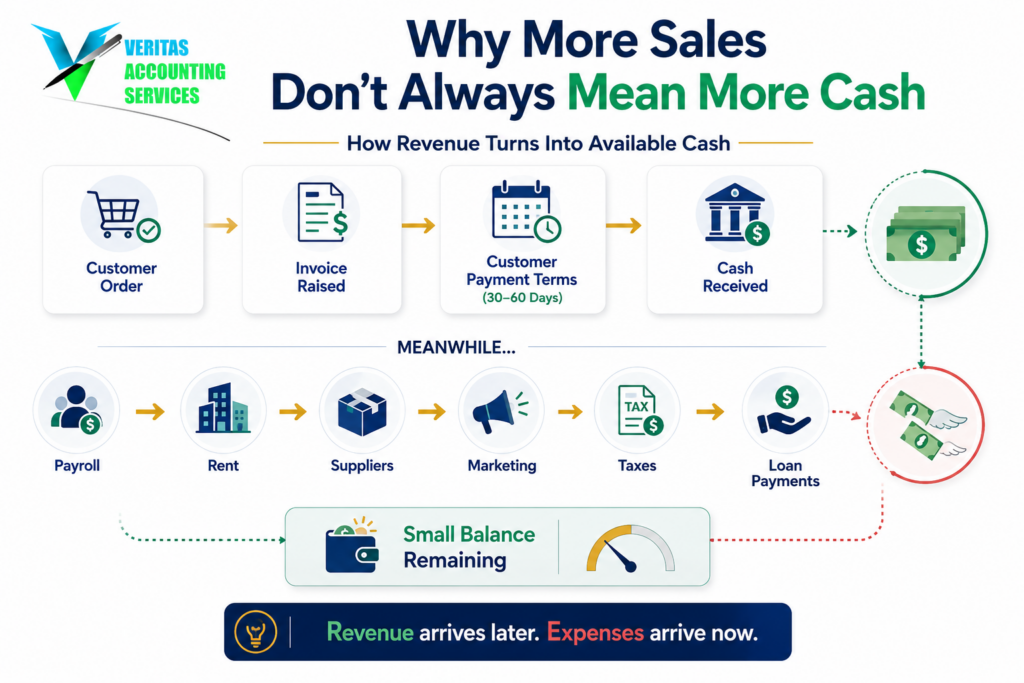

Missed Something on Your Tax Return? 6 Smart Ways to Fix It Legally

An amended tax return is the correct way to fix mistakes after filing your taxes. If you realize…

The Ultimate 9-Step Guide for Non-US Founders to Start & Run a US Company Legally

Starting a U.S. business as a foreign founder is no longer complex—but it is structured. With the…

3 Costly Tax Residency Mistakes That Can Destroy a Client’s Return

Before a tax professional chooses the correct tax form, determines taxable income, or identifies…

Big Change for 2026: When Catch-Up Contributions Must Go Roth

A major retirement planning shift is coming. Beginning in 2026, Roth catch-up contributions 2026…

Big Donation, Bigger Mistake: Why the Tax Court Rejected a $188,563 Charitable Deduction

A large charitable donation may reflect generosity, goodwill, and community spirit. But as one…

Waiting for Your EITC or ACTC Refund? 3 Critical IRS Dates to Know in 2026

Each tax season, questions about refund timing surge—especially from taxpayers who rely on…

Surprised by a Lump-Sum Social Security Check? Here’s How the Tax Rules Really Work

Receiving a lump-sum Social Security payment often brings relief, especially after months or years…

Connect with us here!

customised growth strategies A global business concept showing professionals from diverse backgrounds working around a digital map with highlighted regions (US, UK, Singapore, UAE, Ireland, Malaysia), sleek corporate aesthetics, data charts floating in the background, and a futuristic tone. No text overlay. Professional, modern, corporate design with a subtle blue and silver color palette.

Tailored for Success: How Customised Growth Strategies Enhance Your Market Position

In today’s interconnected global economy, businesses face unprecedented challenges when expanding across diverse markets. Generic growth formulas that once sufficed now leave companies vulnerable to market-specific pitfalls and missed opportunities. At Veritas Accounting, our decade of professional excellence spanning 1000+ completed projects across 6+ countries have taught us that market-customised growth strategies aren’t just beneficial—they’re essential for sustainable international success.

The Hidden Costs of Generic Growth Approaches

A visual contrast between two companies expanding globally—one struggling due to a generic strategy and the other thriving with localized strategy. Include red downward arrows on one side and green upward charts on the other. Abstract corporate cityscapes labeled “Atlanta,” “Singapore,” “London,” and “Dubai” in the background. Clean, infographic-style layout, no text.

Many ambitious businesses attempt to replicate successful domestic strategies across international markets, only to discover that what drives growth in Atlanta may falter in Singapore, or tactics effective in London may need significant recalibration for Dubai’s unique business ecosystem.

The consequences of this one-size-fits-all approach extend far beyond initial disappointment:

Financial Inefficiency

Resources allocated based on generalised growth models often yield suboptimal returns in specific markets. Our financial projections reveal that market-customised strategies typically improve ROI by 23-37% compared to standardised approaches.

Competitive Vulnerability

Local competitors with market-specific strategies can outmaneuver even well-funded international businesses that fail to adapt. Without Customised Growth Strategies, you’re competing with a significant disadvantage.

Regulatory Compliance Risks

Each jurisdiction presents unique regulatory challenges. Failure to incorporate these into your growth strategy can result in costly penalties, operational disruptions, and reputational damage.

Missed Cultural Connections

Business relationships develop differently across markets. Without cultural adaptation, potential partnerships and client relationships may never materialise, regardless of your service quality.

Suboptimal Financial Structures

Tax planning, entity structure, and financial reporting strategies must align with local regulations and opportunities. Generic approaches leave significant value uncaptured.

The Transformative Power of Market-Customised Growth Strategies

Our extensive experience serving clients across the US, UK, Ireland, Singapore, Malaysia, and UAE has revealed that market customization delivers measurable advantages:

1. Market-Specific Financial Optimization

Close-up of digital financial dashboards showing different currencies, tax icons, and market-specific graphs. Each section has a visual element representing a country: USD, GBP, SGD, AED. A financial strategist pointing at a tablet screen with projected ROI indicators. Soft lighting, tech-inspired, minimal text.

Each market operates within its distinct economic ecosystem. Your growth strategy must account for:

  • Local Economic Indicators: Inflation rates, currency stability, interest rate environments, and market maturity significantly impact optimal growth approaches.
  • Tax Efficiency Opportunities: Different jurisdictions offer varying tax incentives and structures. Our certified tax planning specialists identify market-specific opportunities to minimize liabilities while ensuring full compliance.
  • Capital Allocation Optimization: Investment priorities should reflect market-specific growth potential and competitive landscapes. Our Virtual CFO services provide data-driven guidance on where to allocate resources for maximum impact in each market.
  • Risk-Adjusted Return Calculations: Financial projections must incorporate market-specific risk factors to accurately assess potential returns. Our financial analysts develop sophisticated models tailored to each market’s unique risk profile.

2. Cultural Business Intelligence

Business professionals in an international video conference with visible cultural elements—e.g., Middle Eastern office, UK legal firm, Asian fintech hub. Icons for trust, communication, hierarchy floating above each region. Warm lighting, semi-illustrated, minimalistic style.

Business cultures vary dramatically across regions, influencing everything from negotiation tactics to relationship development:

  • Communication Protocols: Effective business communication in Singapore often differs substantially from expectations in Ireland or the UAE. Your strategy must accommodate these differences.
  • Decision-Making Hierarchies: Understanding who makes decisions and how they’re made varies by market. We help you navigate these differences to accelerate growth.
  • Relationship Development Timelines: Some markets prioritize long-term relationship building before significant business transactions, while others focus on immediate value. Your approach must adapt accordingly.
  • Trust-Building Mechanisms: The foundations of business trust vary across cultures. We help you identify and implement the most effective trust-building approaches for each market.

3. Regulatory Navigation Expertise

A concept image of a business consultant navigating a maze with flags from various countries (US, UK, UAE, Singapore), surrounded by legal icons like compliance checklists, audit reports, and tax documents. Professional, clean, neutral color tones. No text.

With over 1,000+ successful projects completed, we’ve developed deep expertise in navigating complex regulatory environments:

  • Compliance Framework Integration: Your growth strategy must incorporate compliance requirements specific to each market, from reporting standards to operational regulations.
  • Future-Proofed Regulatory Planning: Anticipating regulatory changes is crucial for sustainable growth. Our team monitors developing regulations across markets to help you stay ahead.
  • Cross-Border Compliance Coordination: For businesses operating in multiple jurisdictions, coordinating compliance efforts efficiently prevents duplication while ensuring thoroughness.
  • Risk Mitigation Strategies: We identify market-specific regulatory risks and develop mitigation strategies to crisis-proof your finances against both local and global uncertainties.

4. Technology Integration Optimisation

A split-screen image of cloud accounting platforms (QuickBooks, Xero, Zoho Books) integrated into different global business settings. Include abstract tech connections between servers and currencies. Professional, futuristic UI/UX inspired design.

Different markets show varying levels of technology adoption and preference:

  • Software Selection and Implementation: As QuickBooks and Xero certified experts, we help you select and implement the optimal accounting technology stack for each market you serve.
  • Digital Transformation Pacing: The appropriate pace and scope of digital transformation varies by market. We help you calibrate your approach to match local expectations and capabilities.
  • Data Security Compliance: Privacy regulations and expectations differ significantly across jurisdictions. Your technology strategy must account for these variations.
  • Integration with Local Systems: Seamless operation often requires integration with market-specific systems and platforms. Our technology specialists ensure compatibility across your entire operation.

Get 15-Min Free Discovery Call
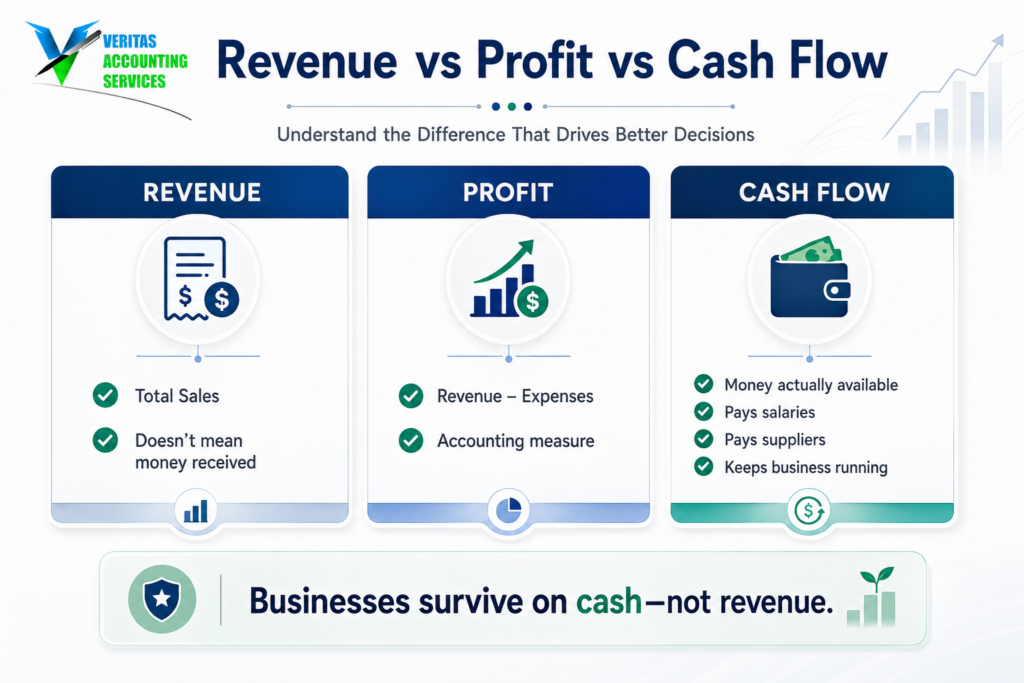
Our Proven Methodology for Developing Customized Growth Strategies

At Veritas Accounting, we’ve refined our approach through years of international experience:

Phase 1: Comprehensive Market Analysis

We begin with a thorough assessment of your current position and opportunities in each market:

  • Competitive Landscape Mapping: Identifying key competitors, their strategies, strengths, and vulnerabilities in each specific market.
  • SWOT Analysis: Developing market-specific evaluations of your strengths, weaknesses, opportunities, and threats.
  • Market Penetration Assessment: Analyzing your current market share and identifying untapped segments with growth potential.
  • Value Proposition Alignment: Evaluating how your core offerings align with local market needs and expectations.

Phase 2: Financial Modelling and Projection

Using advanced financial techniques, we create market-specific models:

  • Revenue Forecasting: Developing realistic growth projections based on market-specific factors and historical performance.
  • Cost Structure Optimization: Identifying opportunities to align your cost structure with market realities while maintaining quality.
  • Ratio Analysis: Conducting comprehensive financial ratio analysis to identify areas for improvement specific to each market.
  • Scenario Planning: Creating multiple growth scenarios to prepare for various market conditions and challenges.

Phase 3: Strategic Implementation Planning

We translate analysis into actionable strategies:

  • Prioritized Initiative Development: Creating ranked lists of growth initiatives tailored to each market’s unique characteristics.
  • Resource Allocation Frameworks: Developing guidelines for optimal resource distribution across markets and initiatives.
  • Timeline Construction: Building realistic implementation timelines that account for market-specific factors and dependencies.
  • KPI Development: Establishing appropriate performance metrics that reflect market-specific success factors.

Phase 4: Execution Support and Adaptation

Our Virtual CFO services provide ongoing guidance:

  • Regular Performance Reviews: Conducting systematic evaluations of strategy performance against established metrics.
  • Adaptive Strategy Refinement: Making data-driven adjustments as market conditions evolve.
  • Cross-Market Knowledge Transfer: Identifying successful approaches that can be adapted for other markets.
  • Continuous Improvement Processes: Implementing systems for ongoing strategy optimisation based on real-world results.

Case Study: Multi-Market Success Through Customisation

A transformation timeline showing growth: from declining graphs to rising charts across four countries (US, UK, Singapore, UAE). Visual metaphor of a tree with four branches, each representing a different market, flourishing due to customisation. Clean vector style.

One of our clients, a mid-sized professional services firm, attempted to replicate their successful US business model simultaneously in Singapore, the UK, and UAE. Initial results were disappointing, with growth stalling and profitability declining despite significant investment.

Our team conducted comprehensive market analyses and developed customised strategies for each region:

US Market Strategy:

  • Focus on service bundling and long-term contracts
  • Emphasis on technology integration for client convenience
  • Streamlined reporting through QuickBooks Online implementation

Singapore Market Strategy:

  • Restructured service offerings to emphasize efficiency and precision
  • Developed strategic partnerships with complementary service providers
  • Implemented Xero-based financial management systems aligned with local preferences

UK Market Strategy:

  • Emphasized relationship development and trust-building
  • Restructured communication protocols to align with local business culture
  • Implemented multi-currency management systems to facilitate regional transactions

The results were transformative:

  • 32% revenue growth across all markets within 12 months
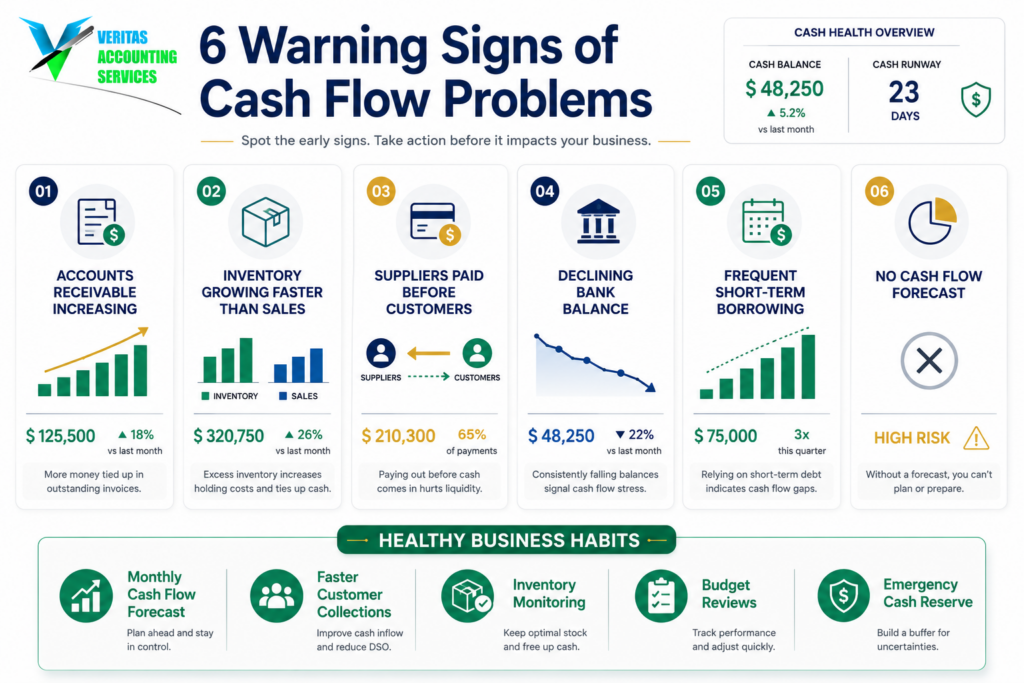
  • 41% improvement in client retention rates
  • 27% increase in profit margins due to market-appropriate pricing and operational strategies
  • Successful expansion into two additional market segments previously considered inaccessible

Curious how this could work for your business?

The Critical Importance of Timing

A clock superimposed over a globe, with gears turning inside. Businesses in motion with market-specific markers emerging in sync. High urgency tone, sharp focus. Suitable for a “time is of the essence” message.

In today’s volatile global economy, delaying the implementation of market-customized growth strategies represents a significant risk. Financial uncertainty and compliance issues can quickly derail even well-established businesses that fail to adapt their approaches to specific market conditions.

Our experience shows that companies implementing customized strategies gain significant competitive advantages that compound over time. Early adopters typically secure stronger market positions, more favorable partnerships, and more efficient operational structures than competitors who delay.

Take Action Now: Transform Your Multi-Market Performance

With operations spanning the US, UK, Ireland, Singapore, Malaysia, and UAE, our international team of experts is uniquely positioned to develop customised growth strategies that account for the specific characteristics of each market you serve.

Our seamless integration with leading accounting software platforms—including QuickBooks, Xero, Wave, and Zoho Books—ensures that your financial infrastructure supports your growth strategy with maximum efficiency and compliance.

Contact Veritas Accounting today to schedule a consultation:

A modern office desk with open laptop, accounting software dashboard visible, email and contact icons glowing subtly. Flags representing global presence on the desk. Warm lighting, friendly and professional tone.

Headquarters:

India Office- C-305, The Imperial Heights 150ft Ring Road, Rajkot

US Office: 8735 Dunwoody Place – 4549 Atlanta, GA

Don’t let generic strategies limit your international growth potential. Partner with Veritas Accounting to develop market-customised approaches that drive sustainable success across every market you serve.

Schedule a FREE Consultation Call

Missed Something on Your Tax Return? 6 Smart Ways to Fix It Legally

An amended tax return is the correct way to fix mistakes after filing your taxes. If you realize…

The Ultimate 9-Step Guide for Non-US Founders to Start & Run a US Company Legally

Starting a U.S. business as a foreign founder is no longer complex—but it is structured. With the…

3 Costly Tax Residency Mistakes That Can Destroy a Client’s Return

Before a tax professional chooses the correct tax form, determines taxable income, or identifies…
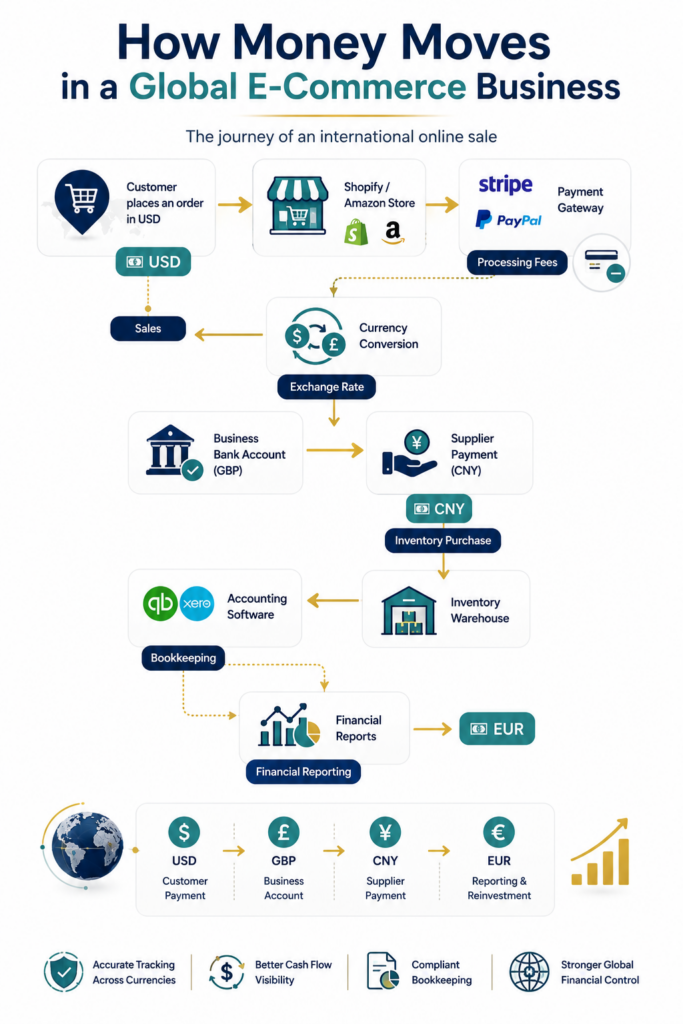
Big Change for 2026: When Catch-Up Contributions Must Go Roth

A major retirement planning shift is coming. Beginning in 2026, Roth catch-up contributions 2026…

Big Donation, Bigger Mistake: Why the Tax Court Rejected a $188,563 Charitable Deduction

A large charitable donation may reflect generosity, goodwill, and community spirit. But as one…

Waiting for Your EITC or ACTC Refund? 3 Critical IRS Dates to Know in 2026

Each tax season, questions about refund timing surge—especially from taxpayers who rely on…

Surprised by a Lump-Sum Social Security Check? Here’s How the Tax Rules Really Work

Receiving a lump-sum Social Security payment often brings relief, especially after months or years…

Connect with us here!